Saving a Life: The Complete Guide to Caring for an Orphaned Kitten
Finding a tiny, helpless kitten abandoned by its mother can be both heartbreaking and overwhelming. Raising an orphaned kitten is a beautiful, deeply rewarding experience, but it requires around-the-clock dedication. Here is a step-by-step guide to keeping an orphaned kitten alive and thriving.
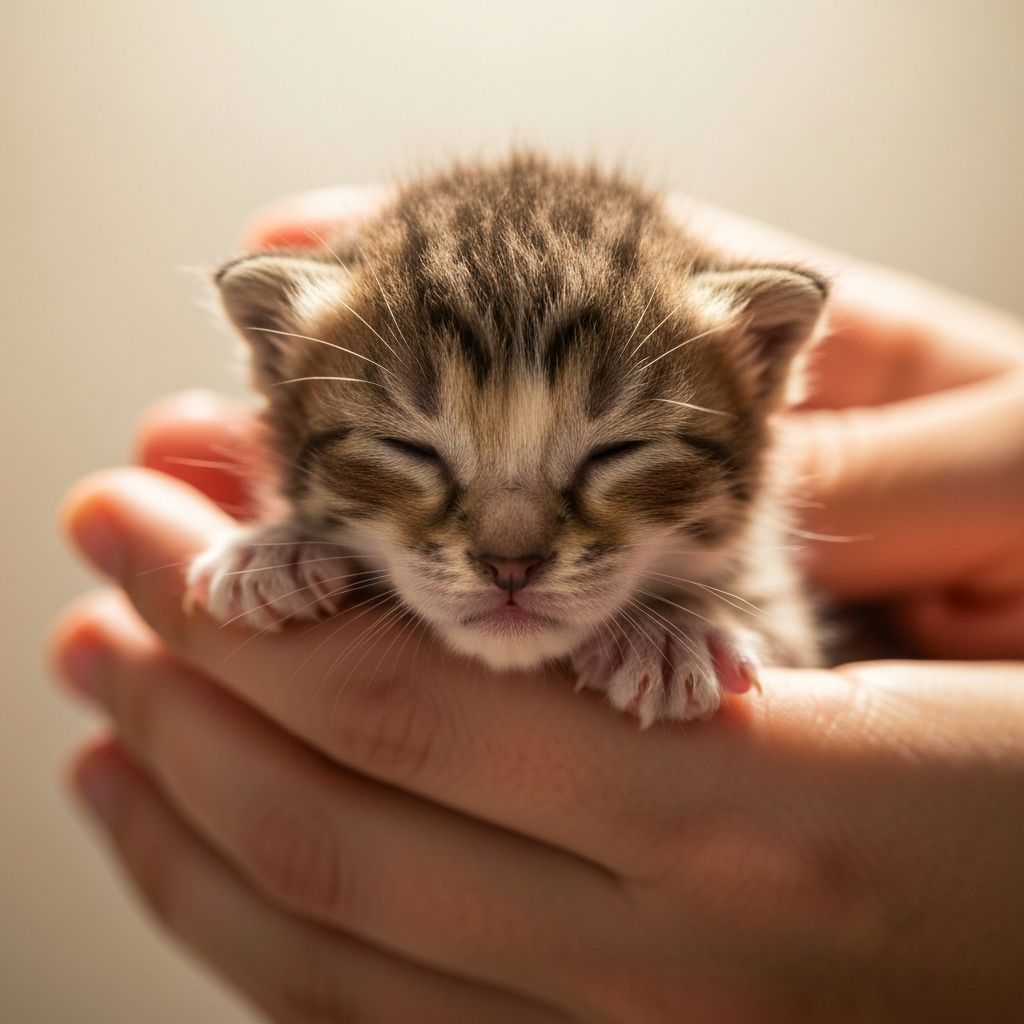
Finding a tiny, helpless kitten abandoned by its mother can be both heartbreaking and overwhelming. Raising an orphaned kitten is a beautiful, deeply rewarding experience, but it requires around-the-clock dedication. Newborn kittens are incredibly fragile; they cannot regulate their own body temperature, see or hear properly, or even eliminate waste without assistance. In the wild, their mother provides constant warmth and vital antibodies through her milk. When she is gone, you must step in and become their surrogate parent. Here is a step-by-step guide to keeping an orphaned kitten alive, healthy, and thriving.
1. Warmth Comes First (Critical Step)
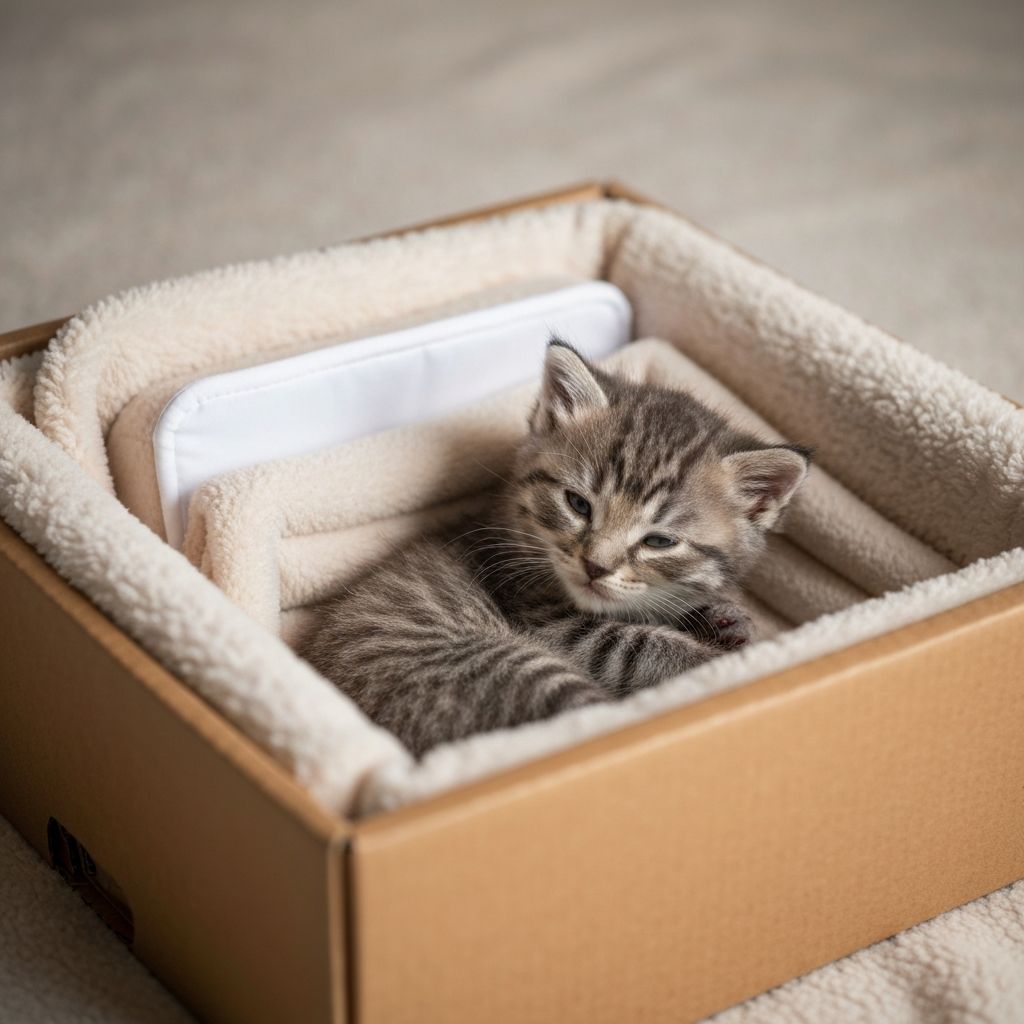
Before you even think about food, you must warm the kitten up. Newborn kittens cannot regulate their body temperature and can easily die of hypothermia. A cold kitten cannot digest food, so feeding them while cold is highly dangerous. Create a cozy nesting box using a cardboard box lined with soft blankets. Place a heating pad (set to low) or a hot water bottle wrapped tightly in a towel underneath the blankets, leaving a space where the kitten can crawl away if they get too warm. Never apply a heat source directly to a kitten's skin.
2. Specialized Bottle Feeding (Never Use Cow's Milk)
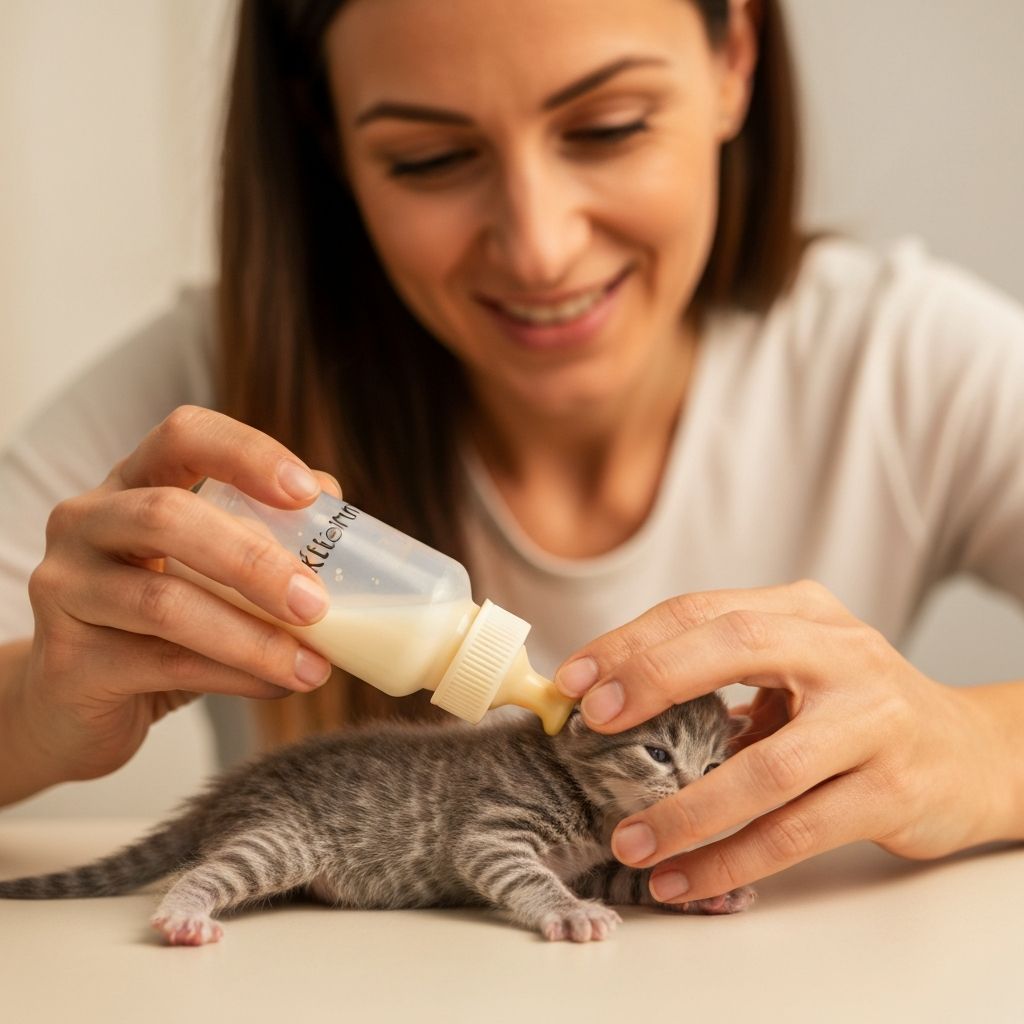
Regular cow's milk or plant-based milks will cause severe, life-threatening diarrhea in kittens. You must purchase a specialized Kitten Milk Replacer (KMR) and a tiny kitten feeding bottle or syringe from a veterinary clinic or pet store.
The Feeding Position: Always feed the kitten face-down, resting on their stomach—exactly how they would nurse from their mother. Never flip them on their back like a human baby, as this causes milk to enter their lungs, leading to fatal aspiration pneumonia.
Frequency: Kittens under 2 weeks old need to be fed every 2 to 3 hours, around the clock, including through the night.
3. Simulating the Mother: Stimulating Elimination
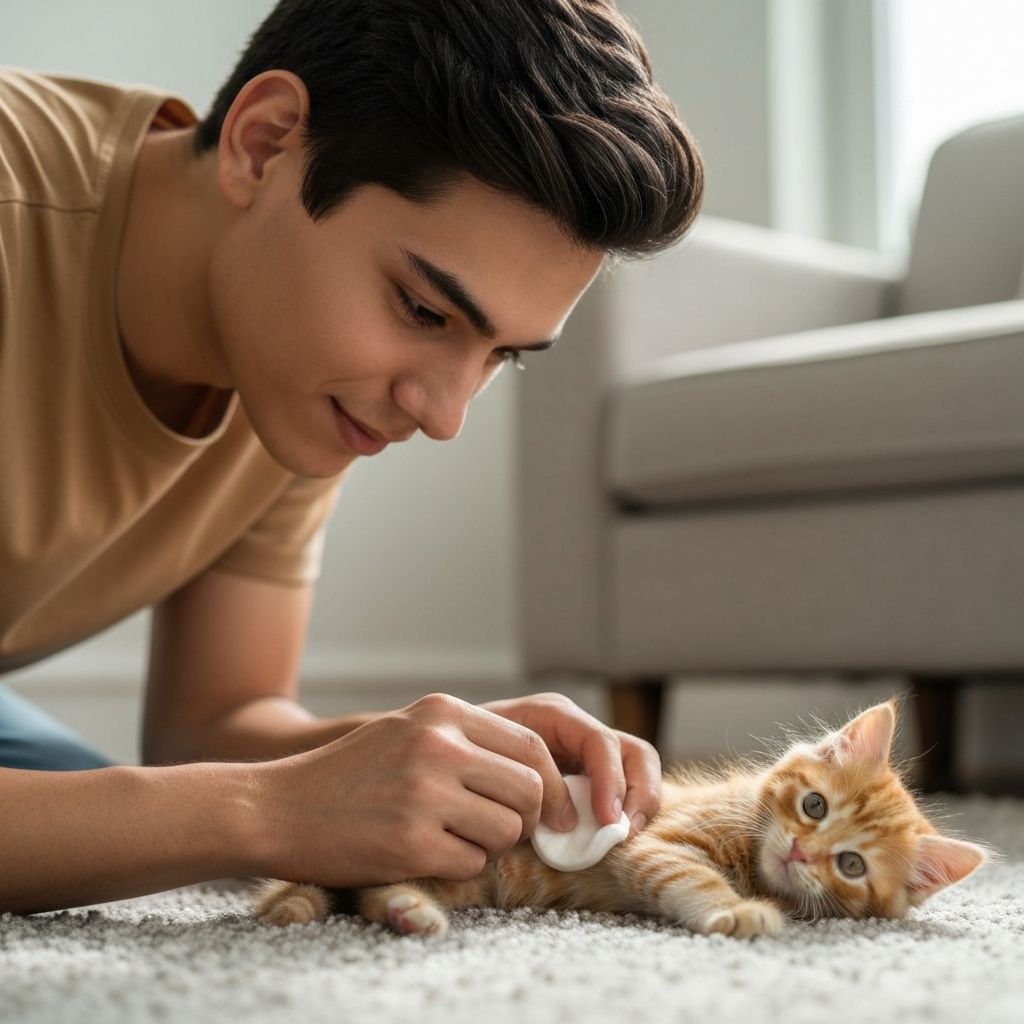
Newborn kittens cannot urinate or defecate on their own. After every feeding, you must gently stimulate their genital area with a warm, damp cotton ball or soft cloth to mimic their mother's tongue. This triggers their elimination reflex. Without this step, the kitten will become dangerously constipated and can develop life-threatening toxicity.
4. Monitoring Weight and Health
A healthy kitten should gain weight steadily every day. Use a small kitchen scale to weigh your kitten at the same time daily and record their progress. A kitten that loses weight or fails to gain for two days in a row needs immediate veterinary attention. Watch for danger signs: lethargy, persistent crying, refusal to eat, bloated belly, or diarrhea.
5. Gradual Weaning (Around 4 Weeks)
Around 4 weeks of age, you can begin introducing wet kitten food mixed with KMR to create a soupy gruel. Let the kitten lap at it from a shallow dish. Over the next few weeks, gradually thicken the mixture until they are eating solid wet food. Most kittens are fully weaned by 6 to 8 weeks old.
6. Socialization and Handling
Between 2 and 7 weeks of age, kittens go through a critical socialization window. Gently handle your kitten multiple times a day, exposing them to different sounds, textures, and experiences. This early handling shapes their personality and helps them become confident, well-adjusted adult cats.
Final Thoughts
Raising an orphaned kitten is exhausting but incredibly fulfilling. With proper warmth, specialized feeding, stimulation, and lots of love, you can give a helpless kitten a second chance at life. If you are ever unsure about your kitten's health, always consult a veterinarian immediately—newborns can decline rapidly.
Tip: Keep a log of feeding times, amounts consumed, weight, and elimination to track your kitten's progress and catch any problems early.
Written by My Indoor Cat Tips
Dedicated to helping cat parents create happy, enriched lives for their indoor felines.