5 Easy Ways to Boost Your Indoor Cat's Water Intake (And Why It's Critical)
One of the most overlooked aspects of feline wellness is proper hydration. Learn five simple, expert-approved tips to keep your cat hydrated and prevent urinary tract infections and kidney issues.
As loving pet parents, we always want the best for our feline companions. However, one of the most overlooked aspects of feline wellness is proper hydration. Unlike dogs, cats have a low thirst drive. In the wild, their ancestors obtained most of their moisture from prey. For an indoor cat eating mostly dry kibble, this lack of water can quickly lead to chronic dehydration, urinary tract infections (UTIs), and kidney issues. Boosting your cat's water intake is a vital step toward a long, healthy life. Here are five simple, expert-approved wellness tips to keep your cat hydrated.
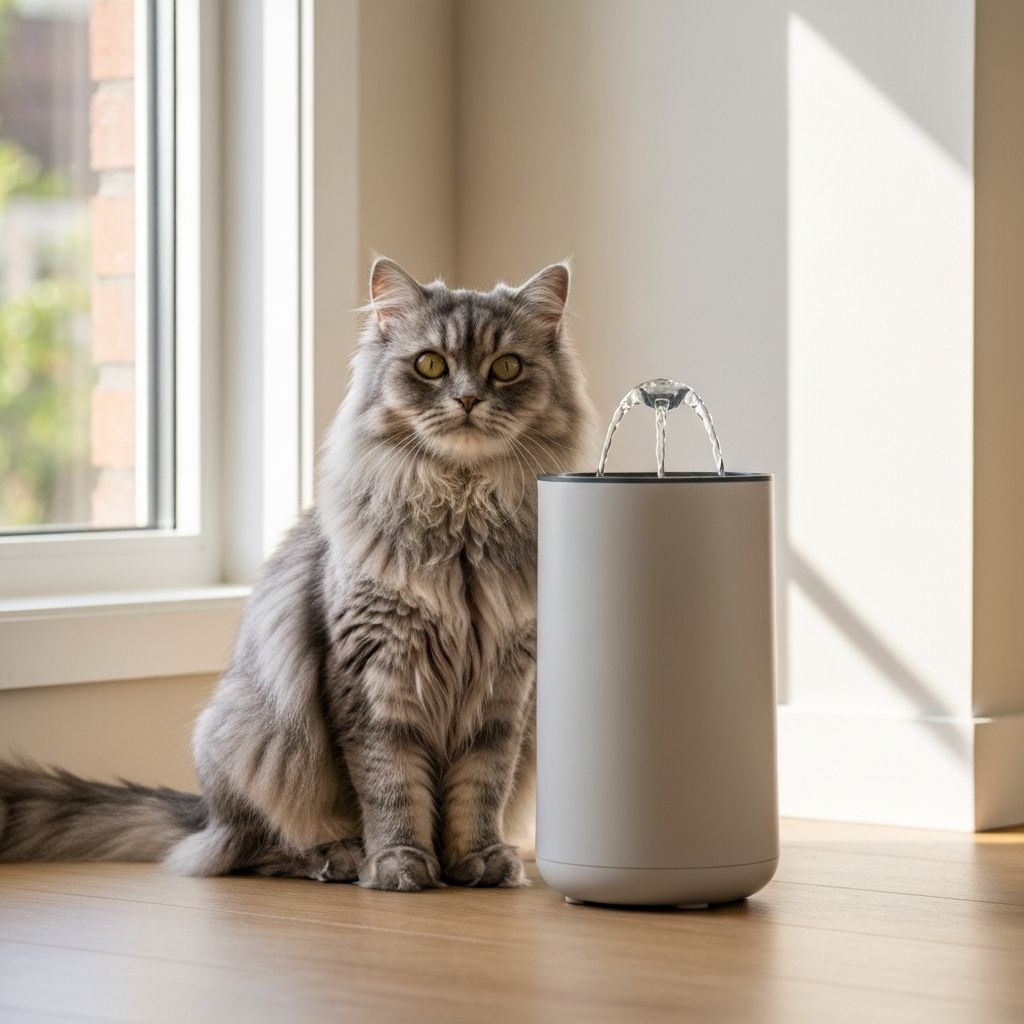
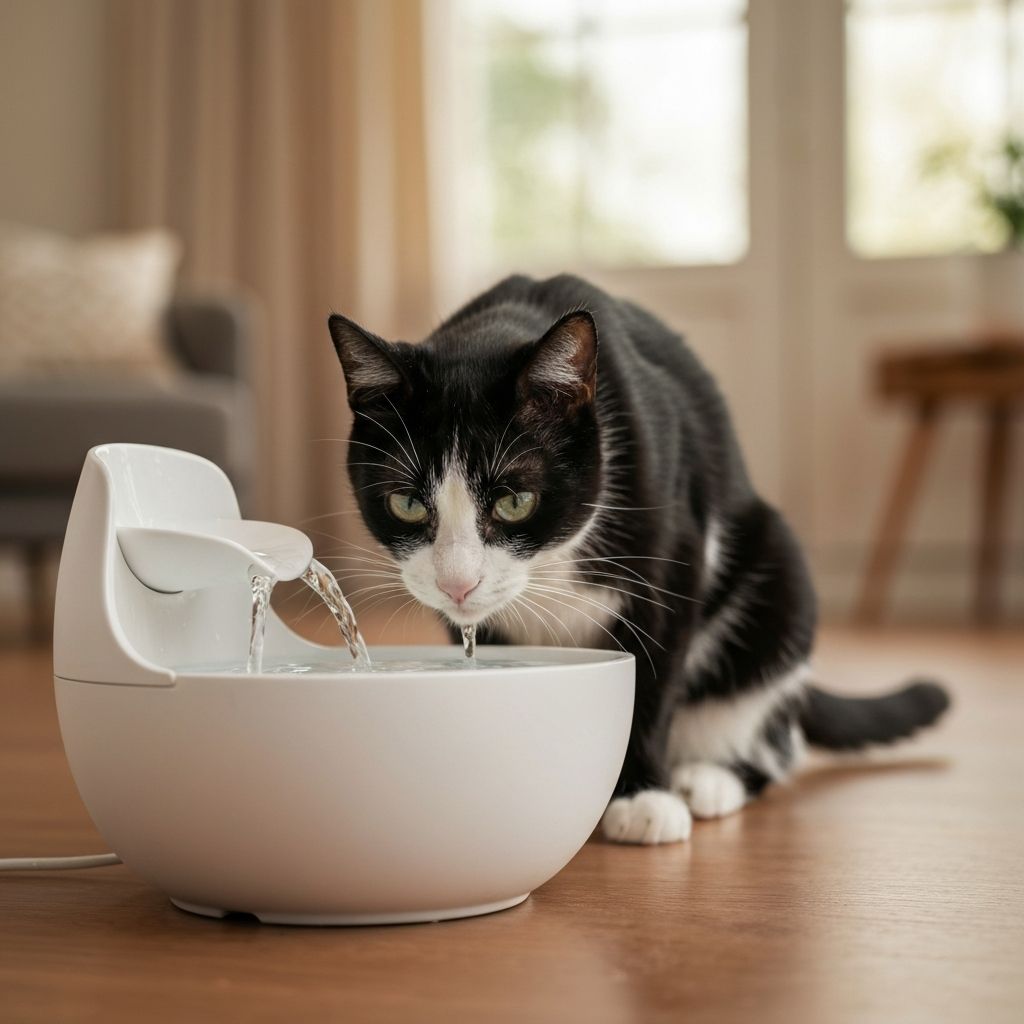
1. Introduce a Cat Water Fountain
In nature, still water is a breeding ground for dangerous bacteria, which is why cats are evolutionarily hardwired to prefer running water. If your cat loves drinking from a dripping bathroom faucet, a cat water fountain is the perfect solution. The continuous movement keeps the water fresh, aerated, and highly appealing to your cat's instincts.
2. Switch to (or Add) Wet Food
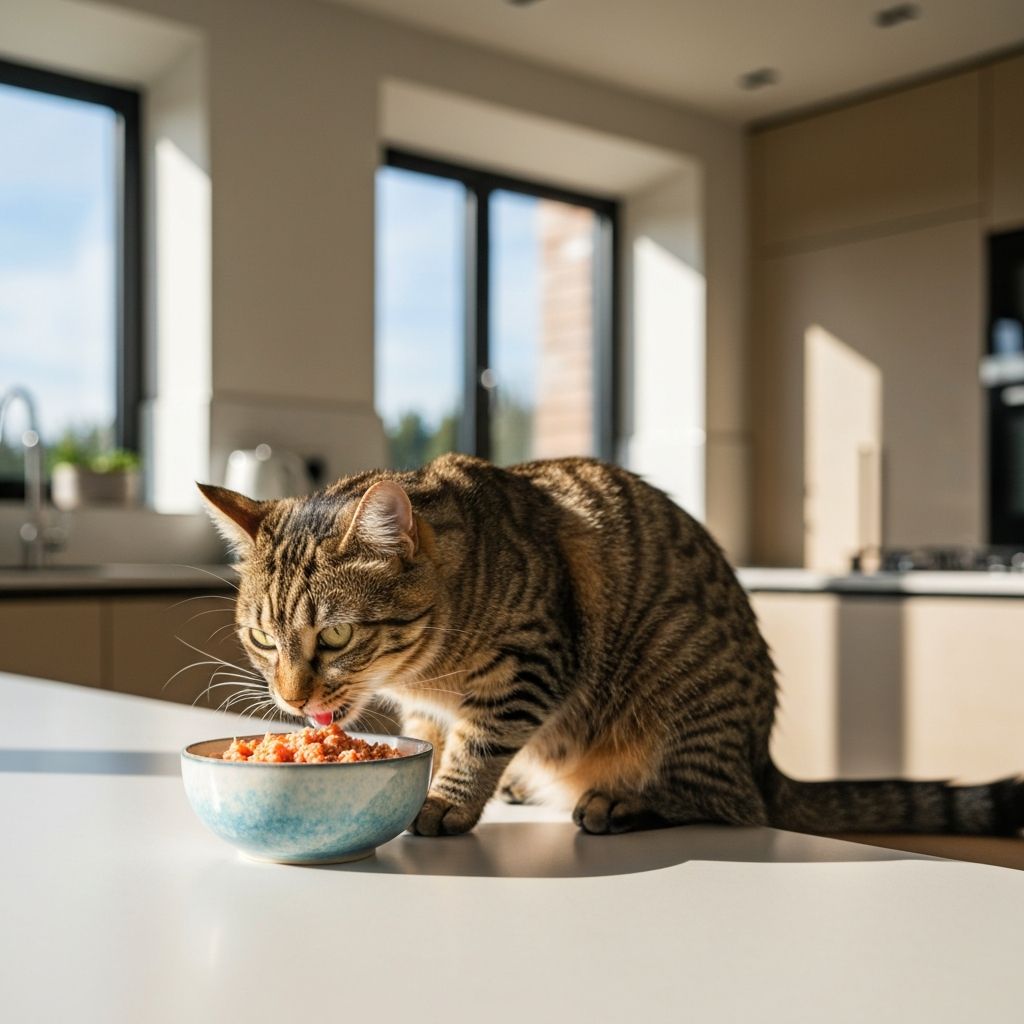
If your cat's diet consists entirely of dry food, they are likely living in a state of mild dehydration. High-quality wet food typically contains around 70-80% water, mimicking a natural diet. Even if you don't want to eliminate kibble completely, replacing just one meal a day with wet food can drastically increase their daily moisture intake.
3. Move the Water Bowl Away from the Food
Did you know that cats dislike having their water source right next to their food bowl? In the wild, felines avoid drinking near their kill to prevent water contamination. Try moving the water dish to a different corner of the room or a separate room entirely. You might be surprised at how much more they drink just by changing the location.
4. Experiment with Different Bowl Materials and Placements
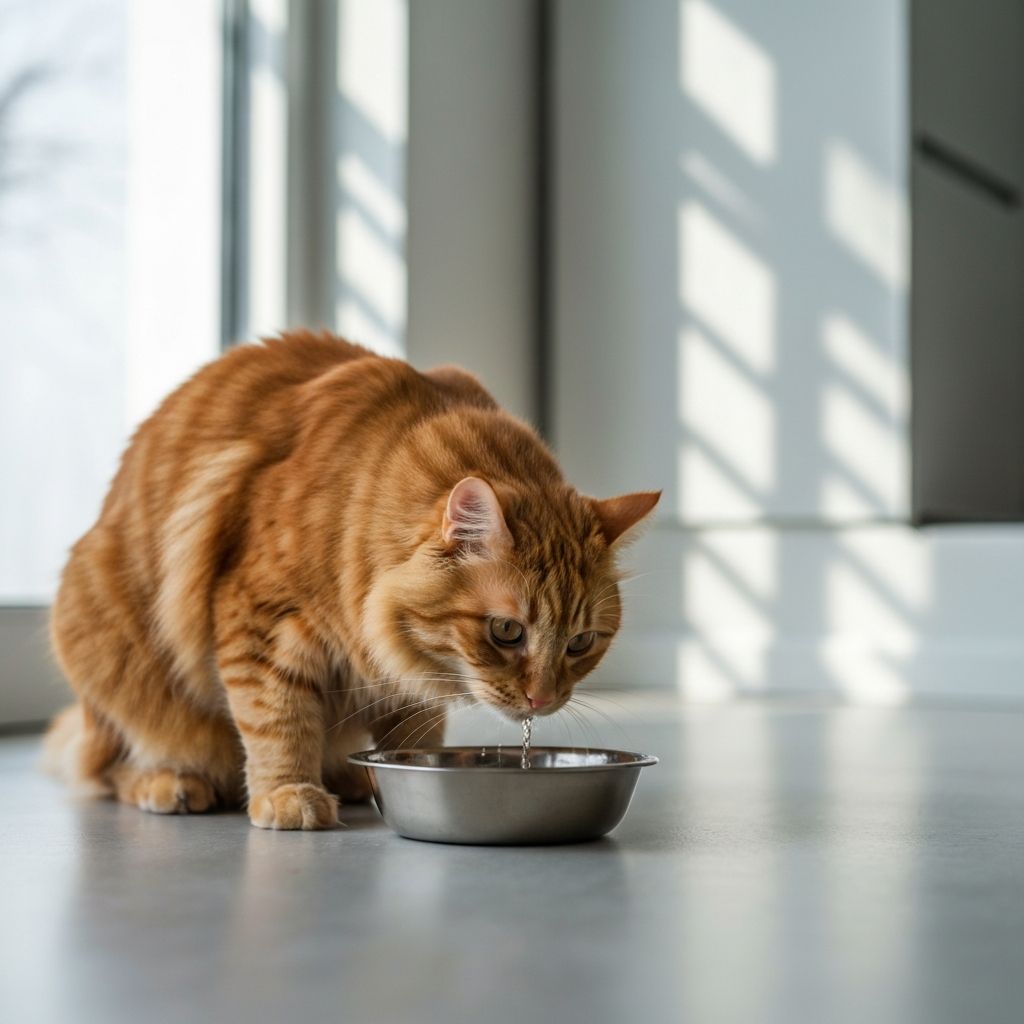
Cats can be incredibly picky about their whiskers touching the sides of a narrow bowl (a condition known as "whisker fatigue"). Switch to a wide, shallow dish made from ceramic, glass, or stainless steel. Many cats also prefer elevated bowls that allow them to drink without crouching. Try different options to find what your cat prefers.
5. Add Flavor or Ice Cubes to Make Water More Appealing
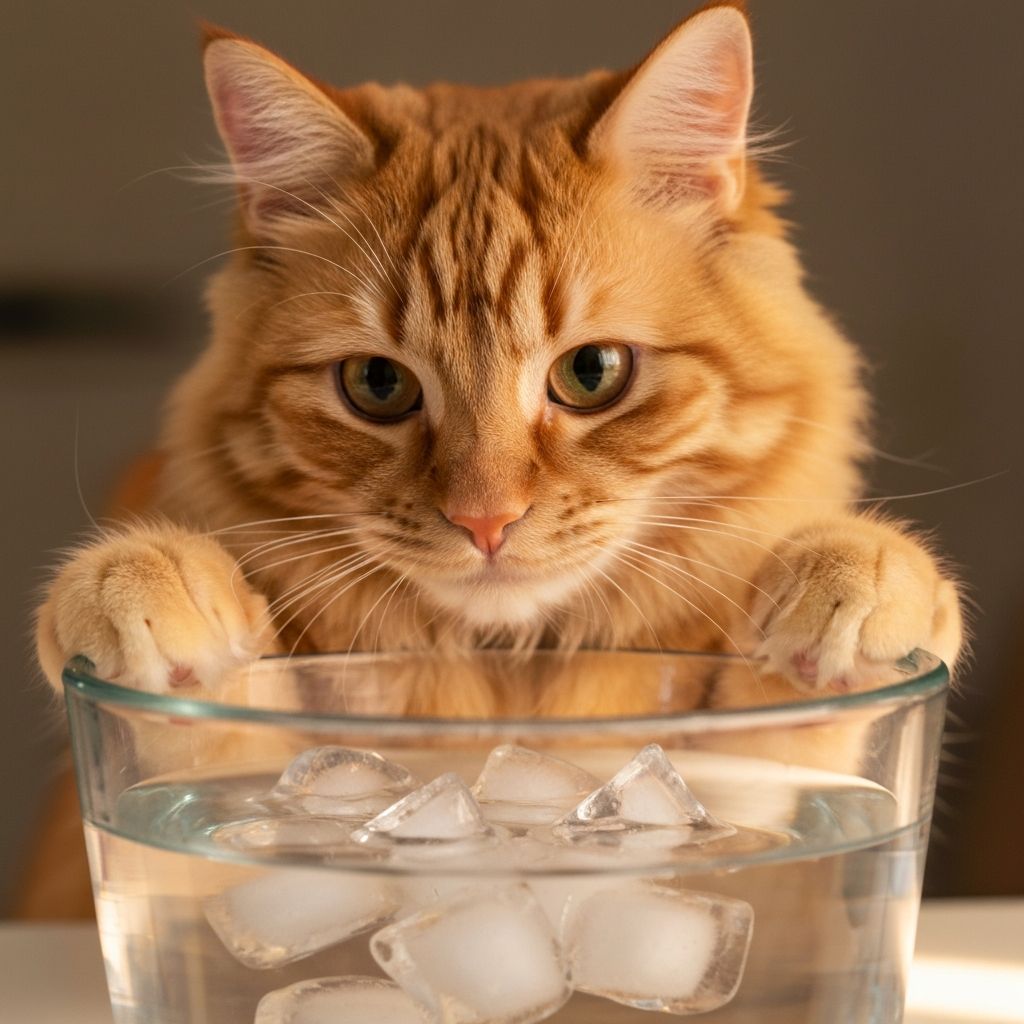
Some cats respond well to a splash of low-sodium chicken broth (make sure it's onion-free and garlic-free) in their water. Others enjoy chasing ice cubes around a bowl. These small additions can encourage a reluctant drinker to take more sips throughout the day.
Final Thoughts
Proper hydration is essential for your indoor cat's long-term health. By implementing these simple strategies, you can help prevent urinary tract issues, kidney problems, and chronic dehydration. Start with one tip and see how your cat responds, then gradually introduce others.
Tip: Monitor your cat's water intake and litter box habits. If you notice any significant changes, consult your veterinarian.
Written by My Indoor Cat Tips
Dedicated to helping cat parents create happy, enriched lives for their indoor felines.