Feline Home Safety: How to Create a Secure Indoor Environment and Avoid Common Hazards
Keeping your feline companion indoors protects them from outdoor dangers, but a standard home is filled with hidden hazards. Learn how to pro-actively cat-proof your living space for your pet's wellness.
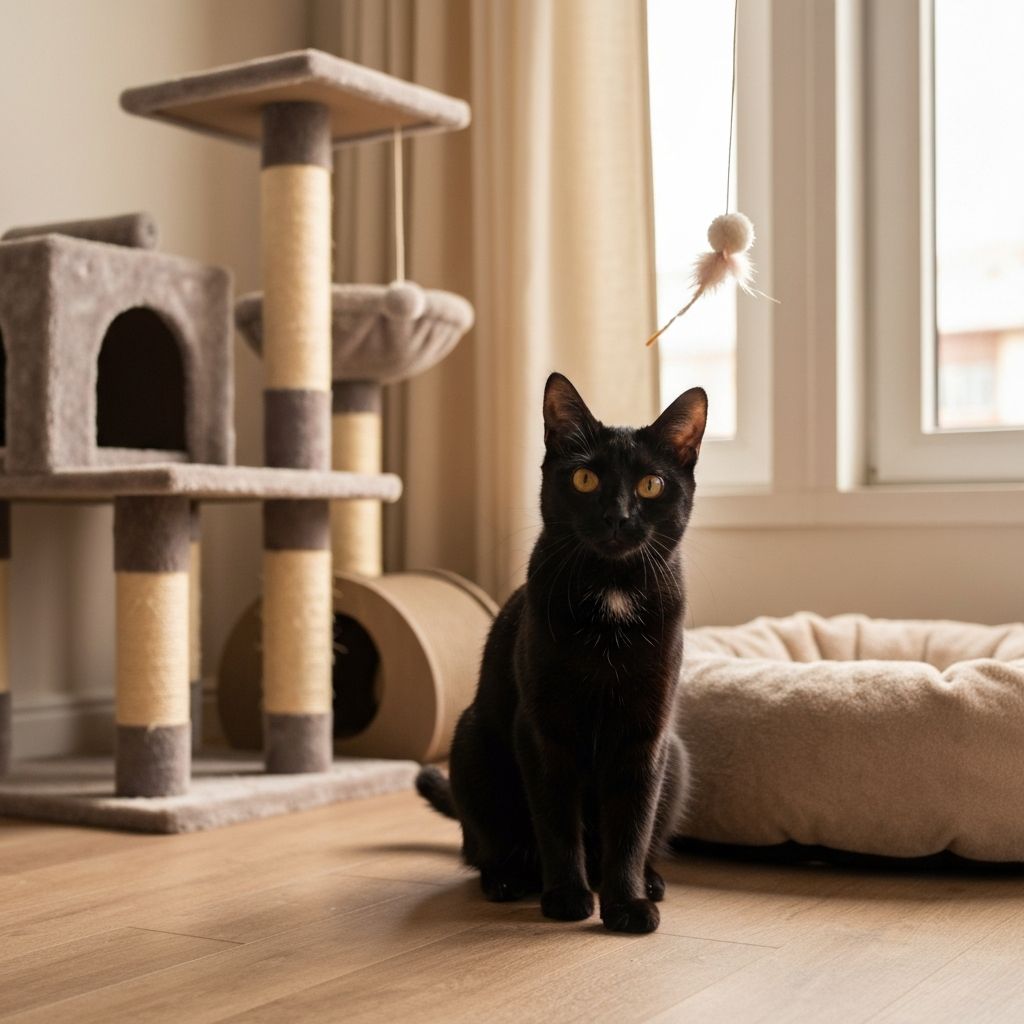
Keeping your feline companion indoors is the single best way to protect them from outdoor dangers like traffic and predators. However, a standard human home is filled with hidden hazards that can put a curious cat at risk. From toxic green leaves to dangerous dangling electrical wires, cats love to explore spaces we often overlook. To ensure your pet's physical wellness and your own peace of mind, it is vital to pro-actively cat-proof your living space. Here is an essential guide on how to create a secure, hazard-free indoor environment for your cat.
1. Eliminate Toxic Houseplants and Introduce Cat Grass
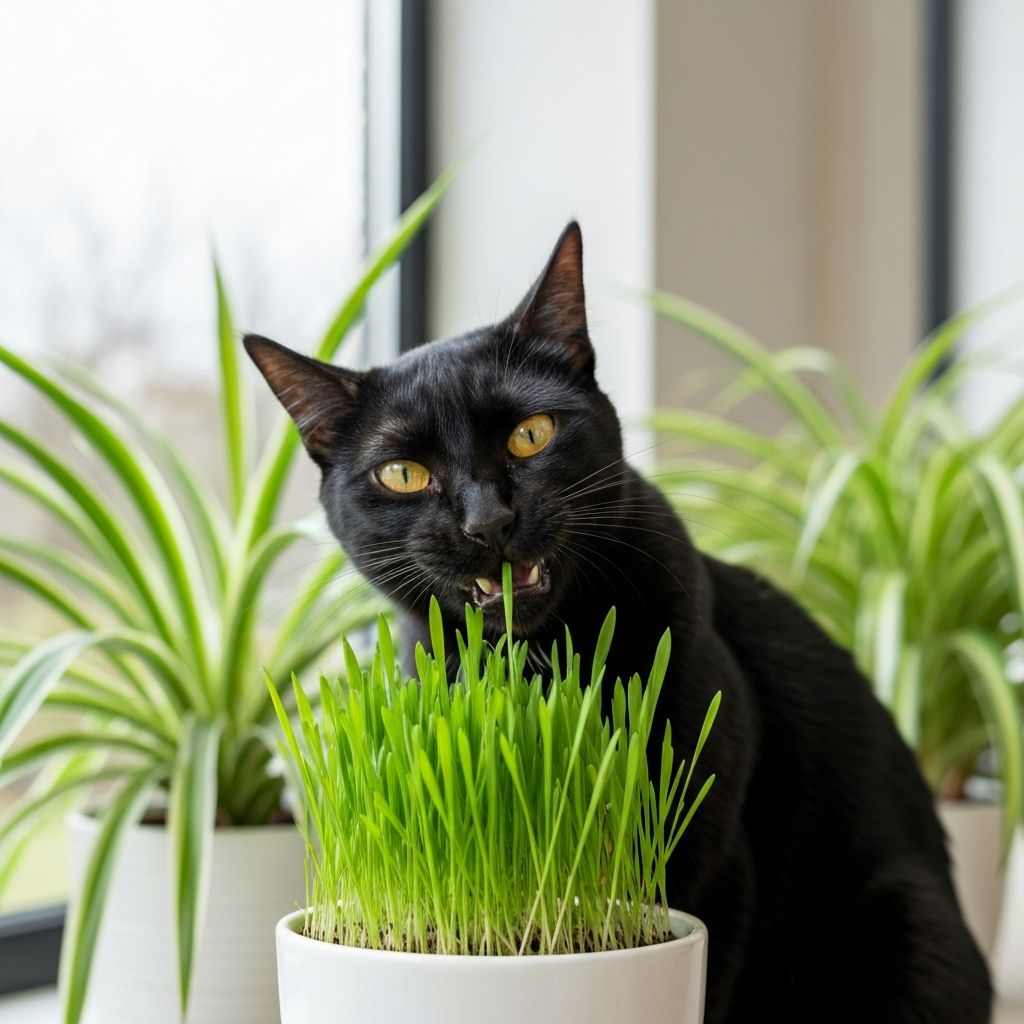
Many common indoor plants are highly toxic to felines, and because cats naturally chew on greenery to aid their digestion, this is a major household hazard. Lilies are the most dangerous—even swallowing a small amount of pollen or a single leaf can cause fatal kidney failure. Other common hazards include Monstera, Pothos, and Aloe Vera. To keep your environment safe, replace these with cat-safe options like Spider Plants or Boston Ferns, and always keep a fresh pot of organic cat grass within their reach.
2. Secure All Windows and Balconies
Cats are fascinated by the movement of birds and insects outside, and their hunting drive can easily cause them to lose their balance. "High-Rise Syndrome" is a serious condition where indoor cats suffer severe injuries from falling out of open windows or balconies. Standard insect screens are fragile and cannot support a cat's weight if they climb or pounce on them. Install heavy-duty pet screens, sturdy window restrictors, or professional balcony safety nets to let your cat enjoy the fresh air safely.

3. Hide Electrical Cords and String Hazards
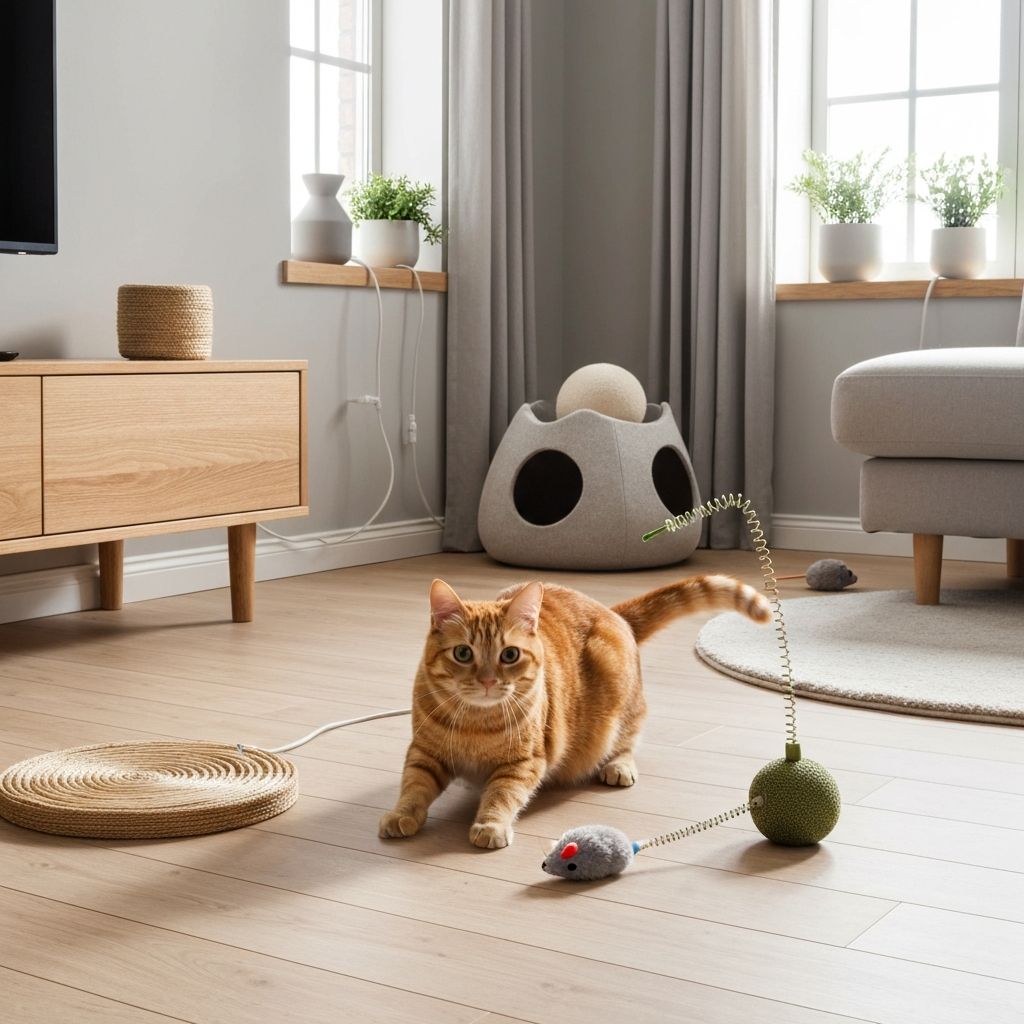
To a playful cat or a teething kitten, an electrical cord or a loose wire looks like a fun, moving toy. Chewing on live electrical wires can cause severe mouth burns or life-threatening electrocution. Protect your cat by using cord covers, concealing wires behind furniture, or applying bitter deterrent spray. Also, keep strings, ribbons, and rubber bands securely stored—if swallowed, they can cause dangerous intestinal blockages.
4. Safely Store Chemicals and Medications
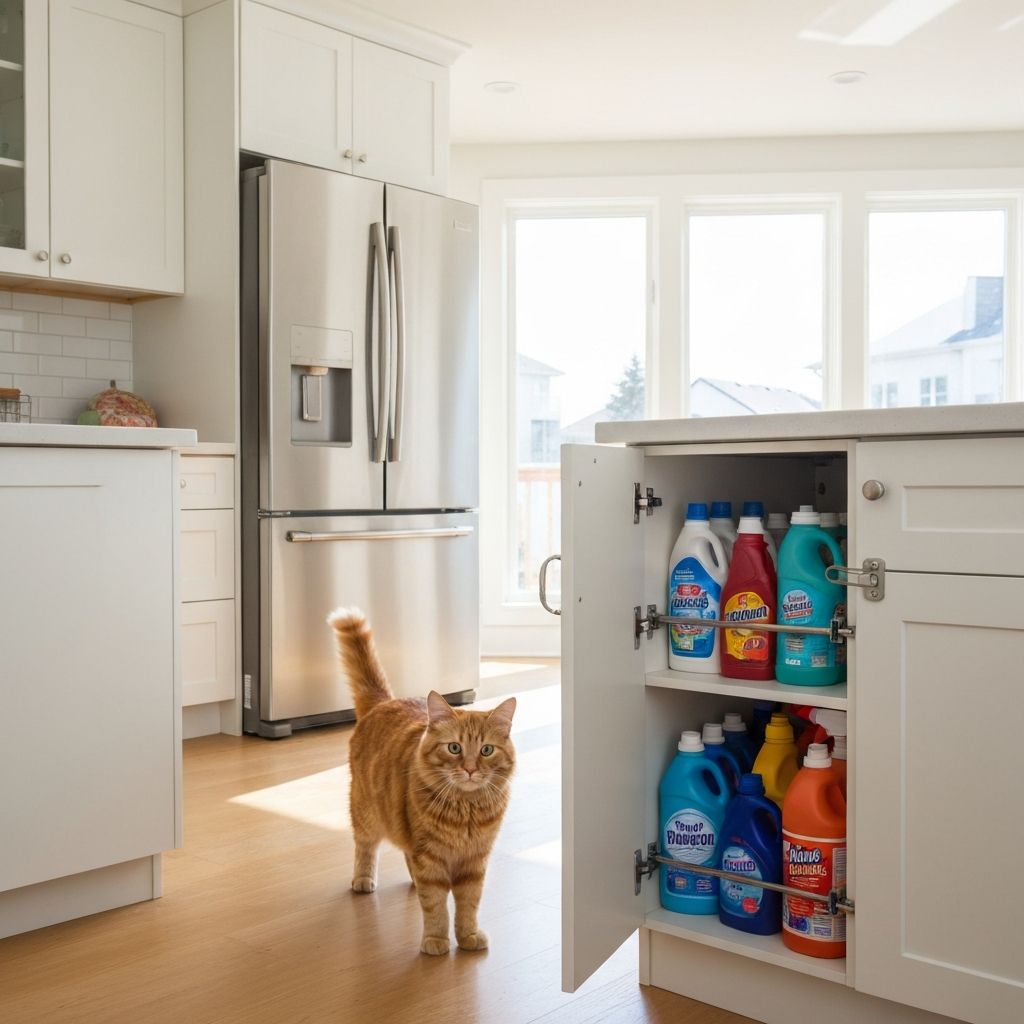
Common household cleaners contain substances highly toxic to cats, such as bleach, ammonia, and phenol. Always lock these products in a secure cabinet with child-proof latches. Human medications are equally hazardous—a single dropped pill of ibuprofen or acetaminophen can be lethal to a cat. Keep all medicines stored in high, secure locations that your cat cannot reach.
5. Check Appliances Before Use
Cats are drawn to warm, enclosed spaces, making washing machines, dryers, and dishwashers dangerously attractive. Always check inside these appliances before starting a cycle. Keep appliance doors closed when not in use, and make a quick "cat check" part of your routine.
6. Remove Small Object Hazards
Small items like hair ties, buttons, coins, and tiny toy parts can be swallowed by curious cats, leading to choking or intestinal blockages. Store these items securely and regularly check under furniture for any small objects that may have fallen.
Final Thoughts
Creating a safe indoor environment requires seeing your home through your cat's eyes. By removing toxic plants, securing windows and balconies, hiding cords, locking away chemicals, and eliminating small hazards, you can provide a truly secure space for your feline friend to explore and thrive.
Tip: Conduct a monthly "cat safety audit" to identify and address any new hazards in your home.
Written by My Indoor Cat Tips
Dedicated to helping cat parents create happy, enriched lives for their indoor felines.