Fueling Your Indoor Feline: The Ultimate Guide to Indoor Cat Nutrition and Diet
Indoor cats burn fewer calories and are prone to weight gain. Learn how to design the perfect diet with the right balance of protein, calories, and nutrients for your indoor cat's longevity and vitality.
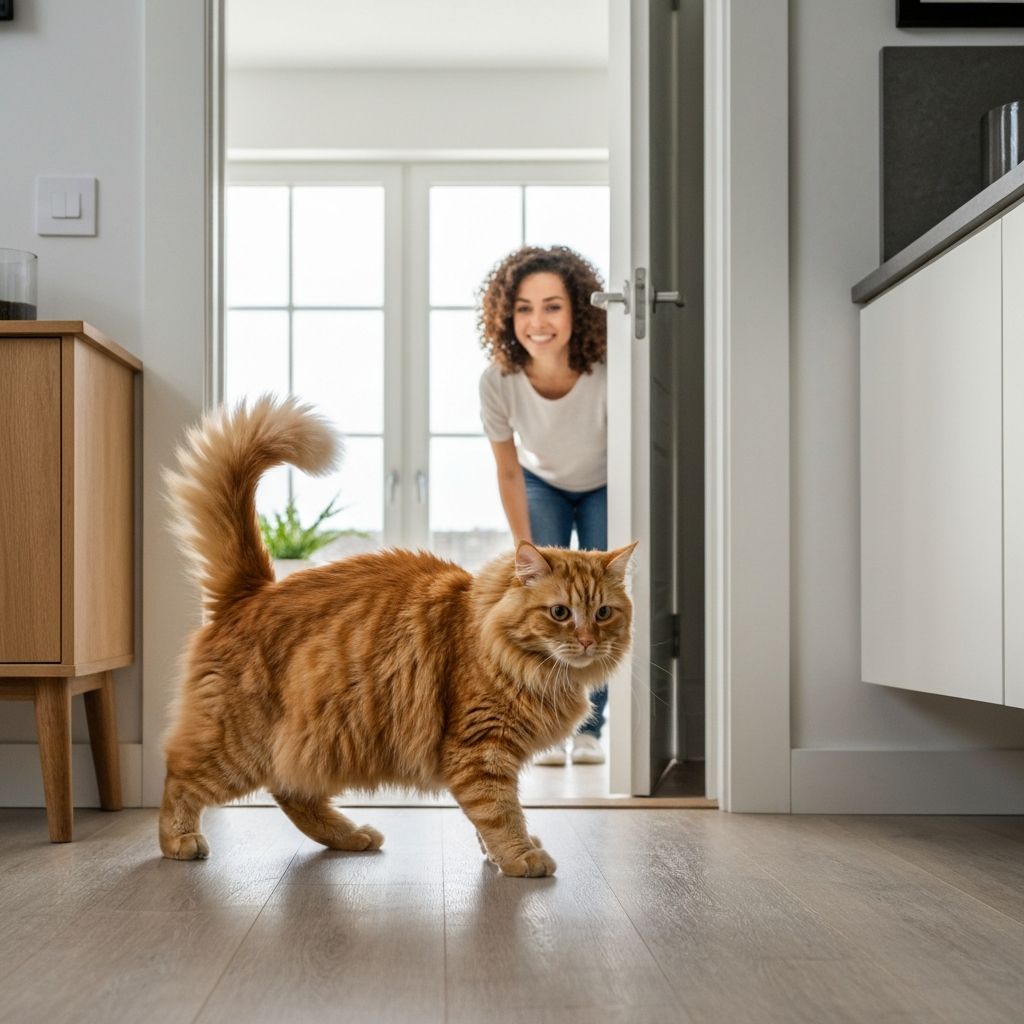
Indoor cats live a life of comfort, safety, and luxury. However, staying indoors comes with a significant shift in lifestyle compared to their outdoor counterparts. With less space to roam and no prey to hunt, indoor cats burn fewer calories and are highly prone to weight gain and digestive issues. Because cats are obligate carnivores, their bodies require a specific balance of nutrients to thrive. Designing the perfect diet for your indoor cat is one of the most effective ways to ensure their longevity and vitality. Here is what you need to know about fueling your indoor feline.
1. The Power of Animal Protein
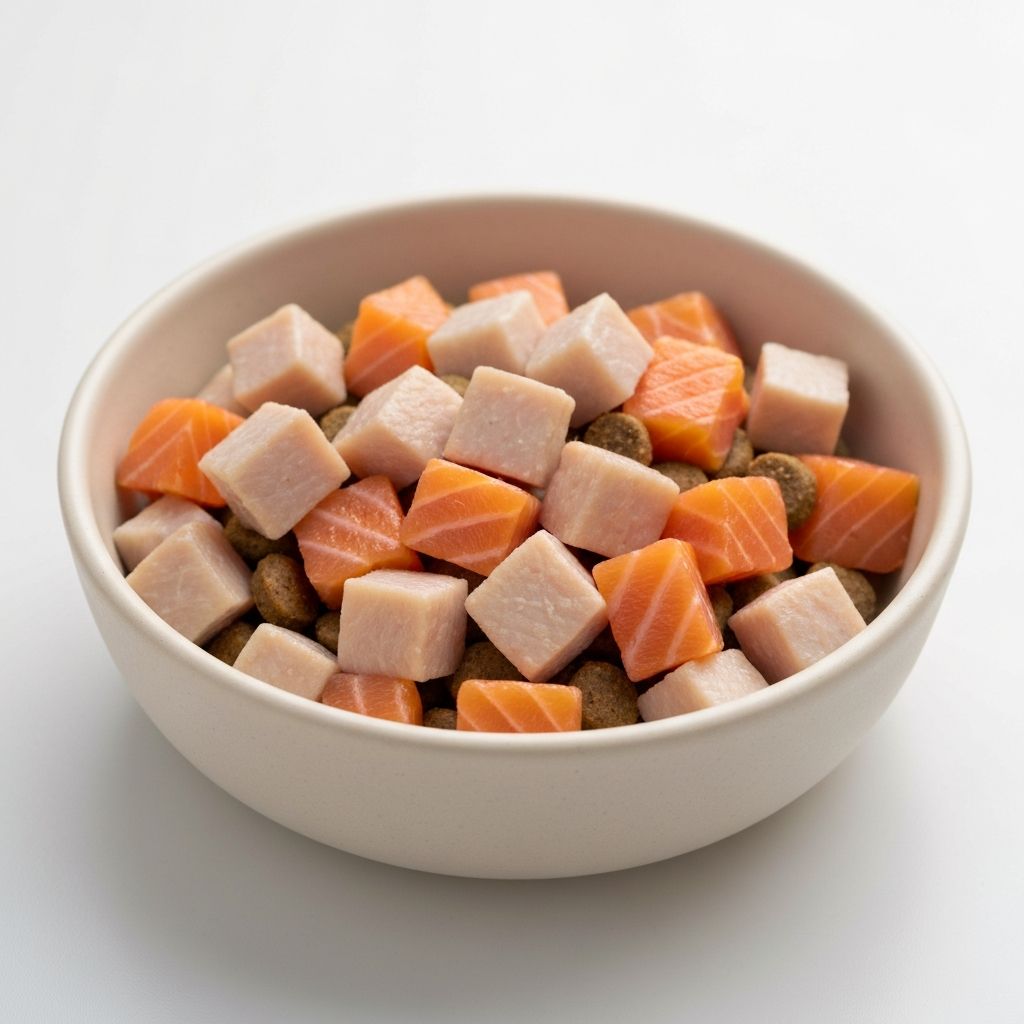
Cats cannot be vegetarians. Their bodies are biologically designed to process nutrients from animal sources. When choosing food for your indoor cat, look for high-quality animal protein (such as chicken, turkey, or salmon) listed as the very first ingredient. Protein helps maintain lean muscle mass, which is critical for indoor cats who may spend a large portion of their day napping on the couch.
2. Managing Calories to Prevent Obesity
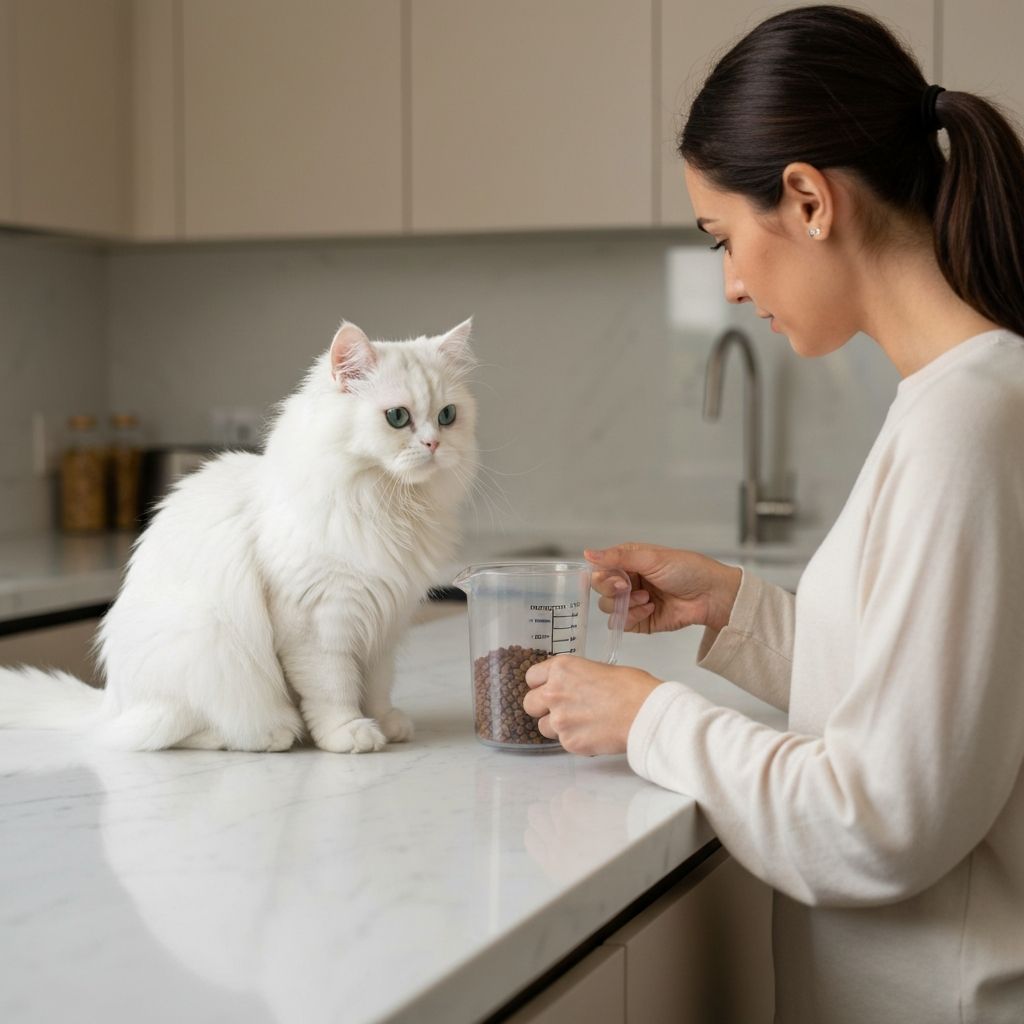
Obesity is the number one health crisis facing indoor cats today. A sedentary lifestyle combined with free-feeding (leaving a bowl of dry food out all day) is a recipe for weight gain. Instead of free-feeding, establish set meal times—typically two to three times a day. Use a measuring cup or a digital scale to ensure you are feeding the exact portion recommended by your veterinarian based on your cat's age and weight.
3. Wet Food vs. Dry Kibble
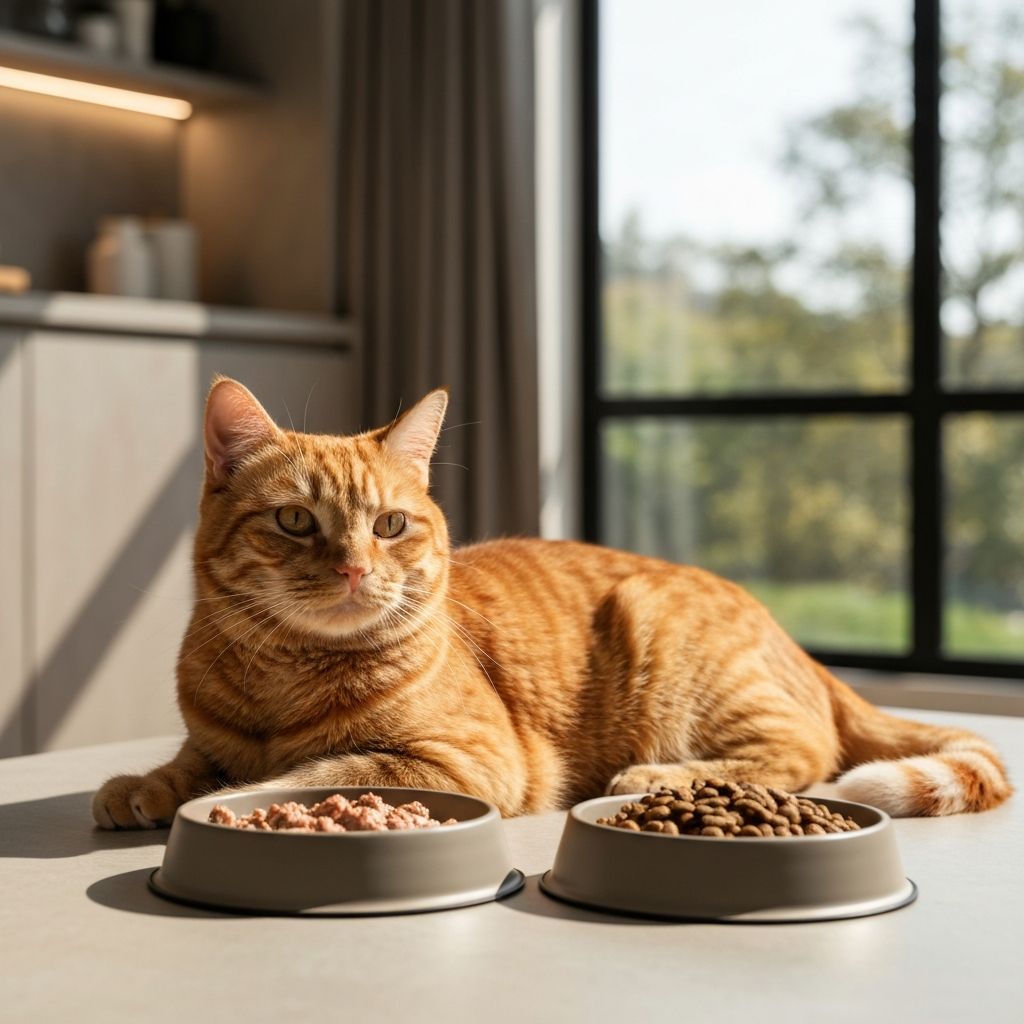
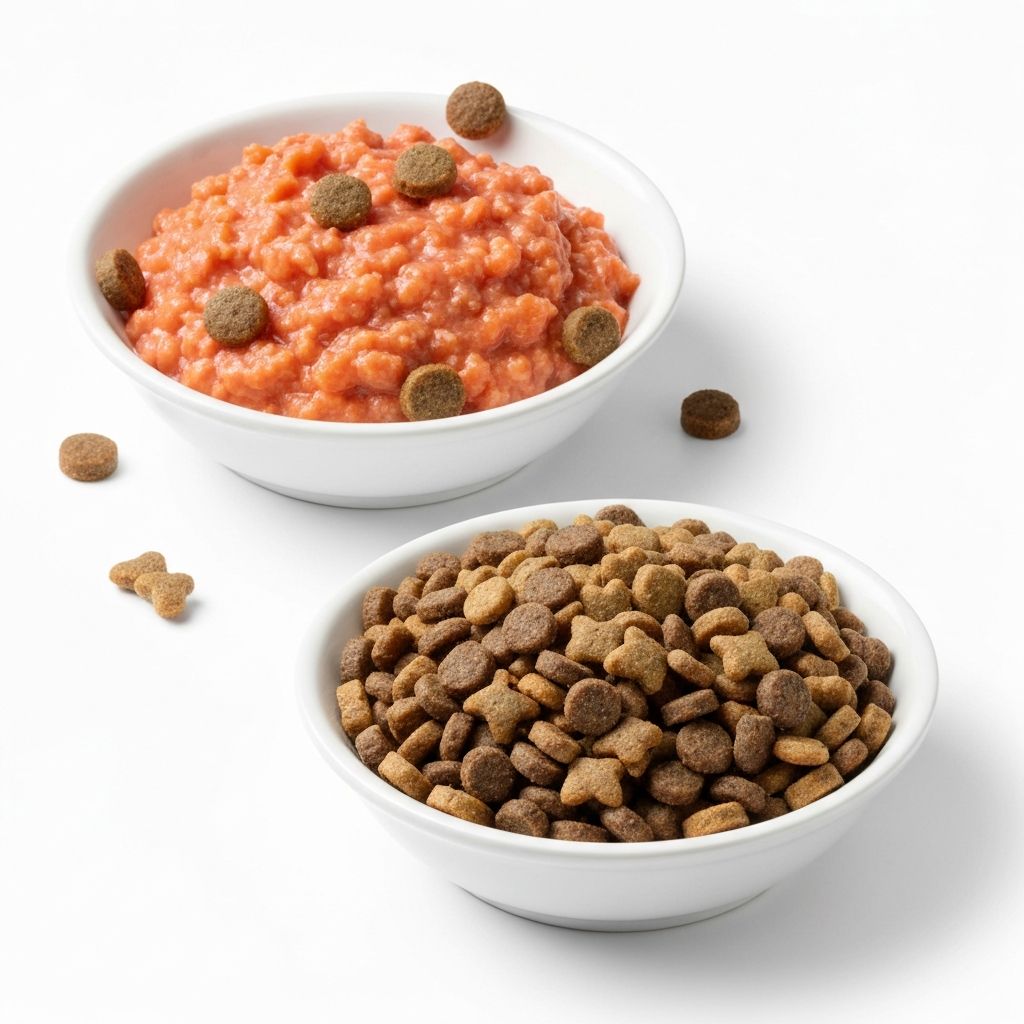
While dry food is convenient, high-quality wet food is often superior for indoor cats. Wet food has a significantly lower carbohydrate content and provides a massive boost in hydration. Since indoor cats have a low thirst drive, getting moisture directly from their food helps protect their kidneys and prevents urinary tract crystals. A balanced approach of mixing a little dry kibble with a daily serving of wet food gives you the best of both worlds.
4. The Role of Fiber for Digestion
Indoor cats are notorious for developing hairballs due to excessive grooming and limited activity. A diet with adequate fiber content helps move hair through the digestive system, reducing the occurrence of hairballs. Look for foods that include natural fiber sources like pumpkin, beet pulp, or cellulose.

5. Essential Vitamins and Minerals
Beyond protein and fiber, your indoor cat needs a balanced mix of vitamins and minerals. Taurine, an amino acid found only in animal tissue, is essential for heart health and vision. Omega-3 and Omega-6 fatty acids promote a shiny coat and healthy skin. Calcium and phosphorus support strong bones and teeth. Always choose cat food that is labeled "complete and balanced" by AAFCO standards.
6. Avoid These Common Mistakes
- Overfeeding treats: Treats should make up no more than 10% of your cat's daily caloric intake.
- Feeding human food: Many human foods are toxic to cats, including onions, garlic, chocolate, and grapes.
- Ignoring water intake: Always provide fresh, clean water and consider a cat water fountain to encourage drinking.
- Sudden diet changes: Transition to new foods gradually over 7-10 days to avoid digestive upset.
Final Thoughts
Proper nutrition is the foundation of your indoor cat's health. By choosing high-quality protein sources, managing portions carefully, incorporating wet food for hydration, and ensuring a balance of essential nutrients, you can help your indoor cat maintain a healthy weight and live a long, vibrant life.
Tip: Schedule an annual checkup with your veterinarian to discuss your cat's diet and make adjustments based on their age, weight, and health status.
Written by My Indoor Cat Tips
Dedicated to helping cat parents create happy, enriched lives for their indoor felines.