Homemade Cat Food vs Commercial: Which is Better for Your Indoor Cat?
Is homemade cat food really better than commercial brands? Discover the pros, cons, and what veterinary nutritionists say about feeding your indoor cat homemade meals.
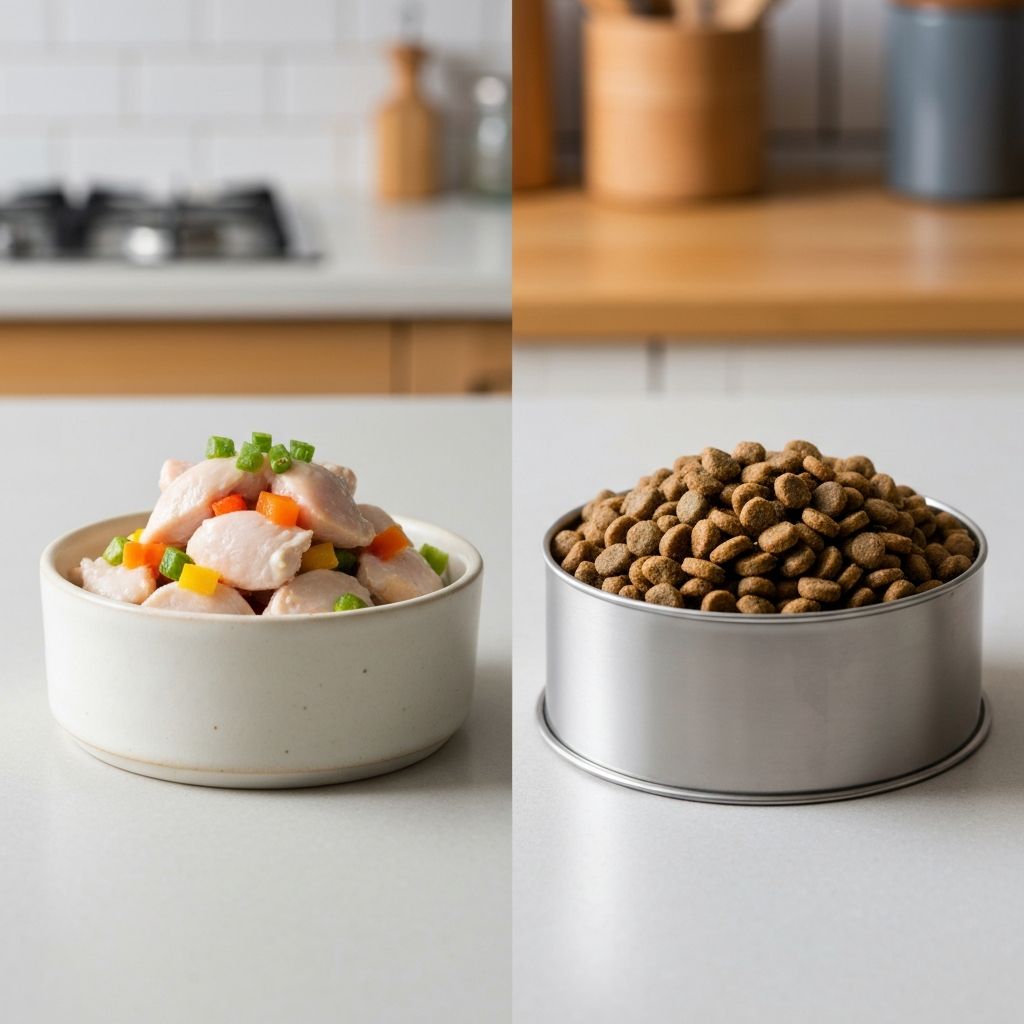
As a cat owner, you want to provide the absolute best nutrition for your feline companion. With the rise of premium pet foods and DIY pet nutrition, many owners are asking: Is homemade cat food actually better than commercial options? The answer is more nuanced than you might think. Let's break down the facts.
The Case for Homemade Cat Food
There are several compelling reasons why pet owners are turning to homemade cat food:
1. Complete Ingredient Control
When you make your cat's food at home, you know exactly what goes into every meal. No mystery ingredients, no artificial preservatives, and no questionable fillers. This is especially important for cats with food allergies or sensitivities.
2. Fresher Ingredients
Commercial cat food, even high-quality brands, undergoes extensive processing and may sit on shelves for months. Homemade food uses fresh, whole ingredients that retain more natural nutrients.
3. Customization for Health Needs
Cats with kidney disease, diabetes, or obesity can benefit from customized recipes tailored to their specific nutritional requirements. Homemade food allows you to adjust protein, fat, and carbohydrate levels precisely.
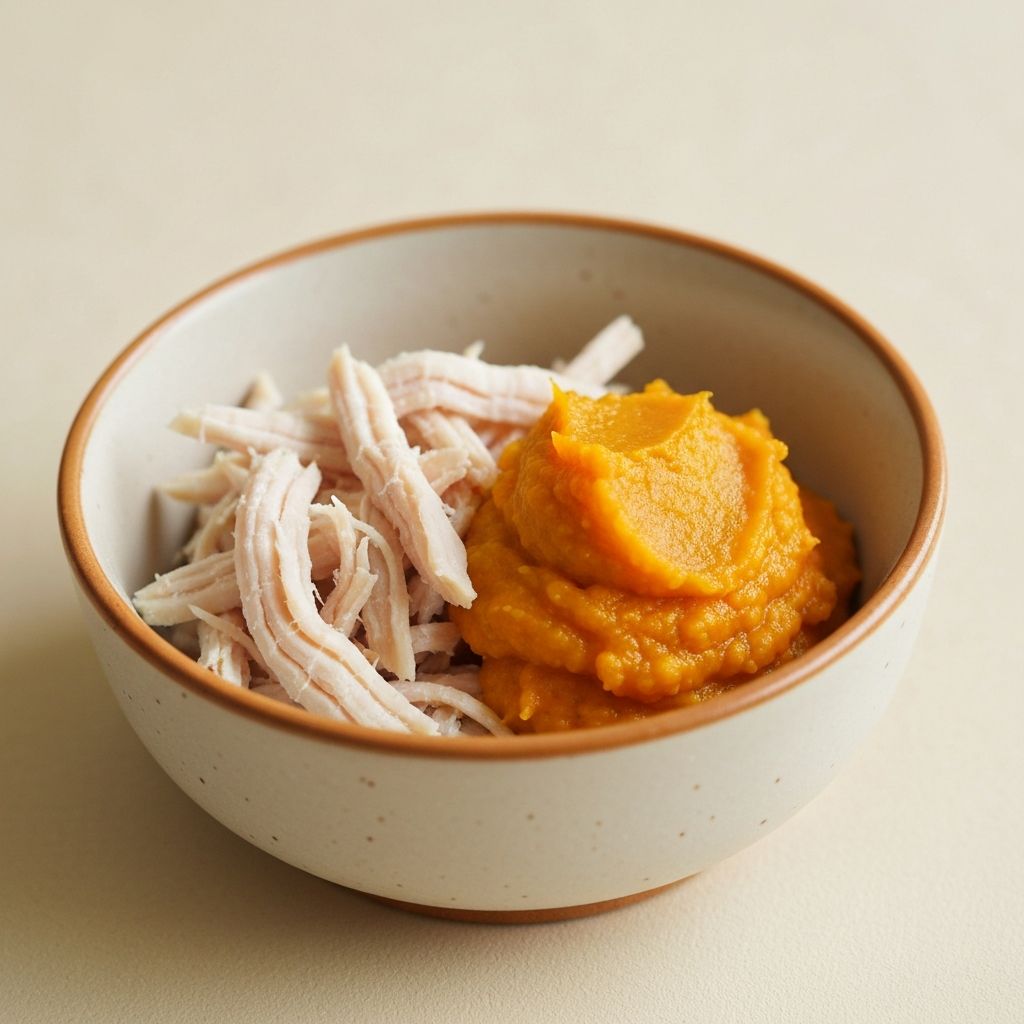
The Challenges of Homemade Cat Food
However, making cat food at home comes with responsibilities:
1. Nutritional Balance is Critical
Cats are obligate carnivores with very specific nutritional needs. They require taurine, arachidonic acid, vitamin A, and other nutrients that must be provided in correct ratios. An unbalanced diet can lead to serious health problems.
2. Time and Effort
Preparing homemade cat food requires planning, shopping for fresh ingredients, and cooking. It's a commitment that not every pet owner can maintain.
3. Cost Considerations
Quality ingredients for homemade cat food can be more expensive than commercial options, especially if you're using organic or human-grade ingredients.
The Solution: Vet-Approved Recipes
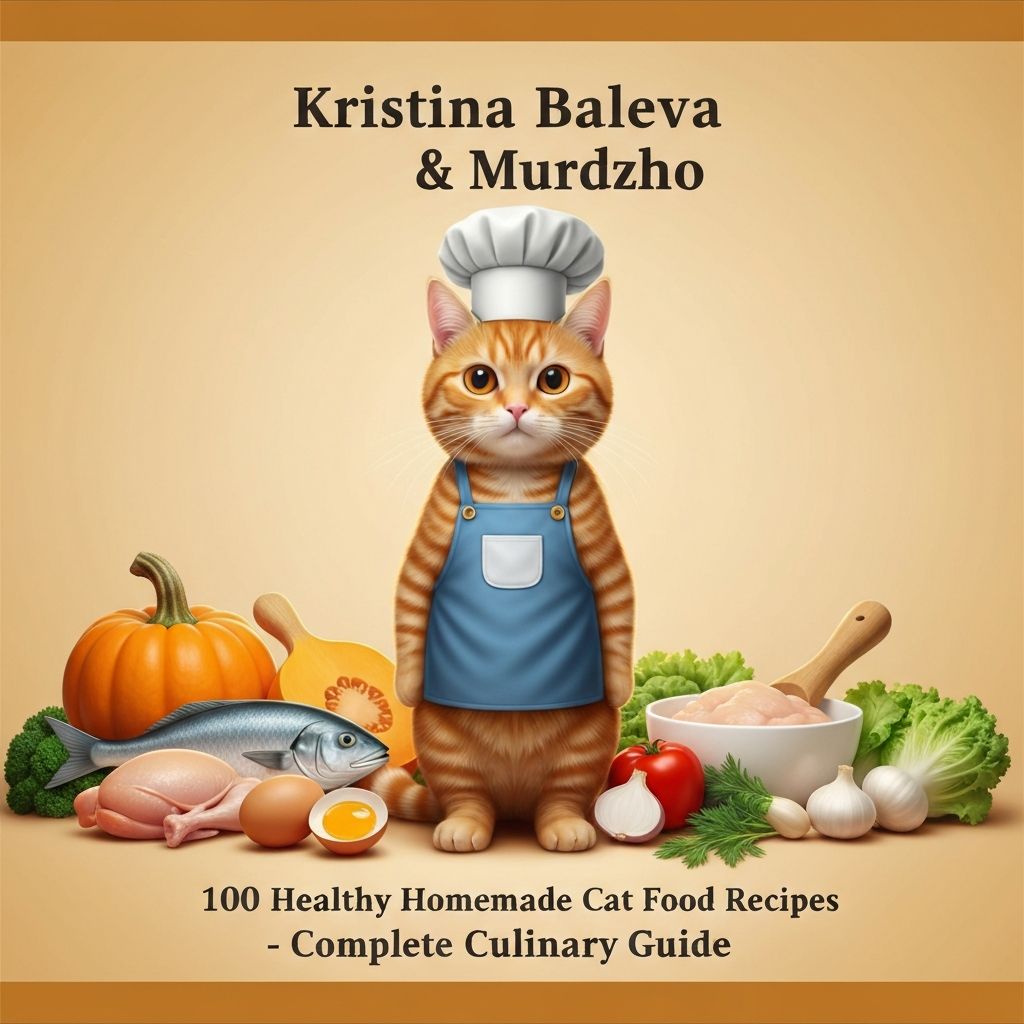
The key to successful homemade cat food is using professionally developed, nutritionally balanced recipes. That's exactly why we created "100 Healthy Homemade Cat Food Recipes" - a complete culinary guide with vet-approved recipes that ensure your cat gets all the nutrients they need.
What's Inside Our Recipe Book?
- 100 Complete Recipes - Chicken, fish, beef, and turkey options
- Nutritional Information - Calorie counts and portion guides
- Safety Guidelines - Toxic foods checklist and kitchen hygiene tips
- Transition Plan - How to safely switch your cat to homemade food
- Bonus Guides - A-Z safe vegetables and grains reference
Our Verdict
Both homemade and commercial cat food can be excellent choices depending on your circumstances. However, if you have the time and commitment, homemade food offers unparalleled control over your cat's nutrition. The key is using proven, balanced recipes from trusted sources.
Ready to start cooking for your cat? Get our complete recipe guide for $9.99 and give your indoor cat the gift of fresh, healthy, homemade meals.
Written by Kristina Baleva
Dedicated to helping cat parents create happy, enriched lives for their indoor felines.