The Art of Feline Pampering: A Complete Guide to Indoor Cat Grooming
Cats are famous for their meticulous self-cleaning habits, but indoor cats require extra help. Learn how to master daily brushing, claw trimming, dental care, and more for a healthy, beautiful cat.
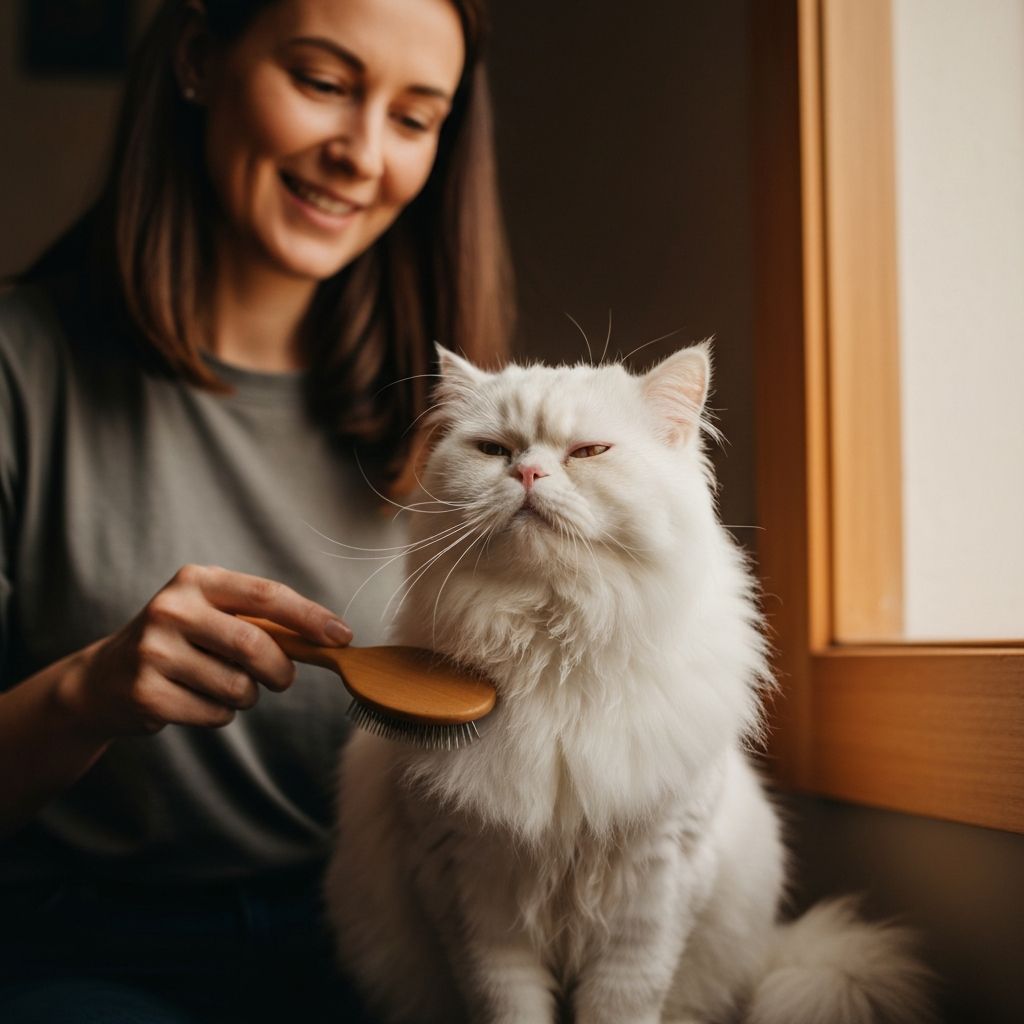
Cats are famous for their meticulous self-cleaning habits, spending up to half of their waking hours grooming themselves. However, living an indoor lifestyle changes their grooming needs compared to outdoor cats. Without natural surfaces like tree bark or soil to wear down their claws, and with central heating causing year-round shedding, indoor felines require a helping hand from their human companions. Proper grooming is not just about keeping your cat looking beautiful; it prevents painful hairballs, protects their skin, and offers a wonderful bonding experience. Here is how to master the art of indoor cat grooming.
1. The Power of Daily Brushing
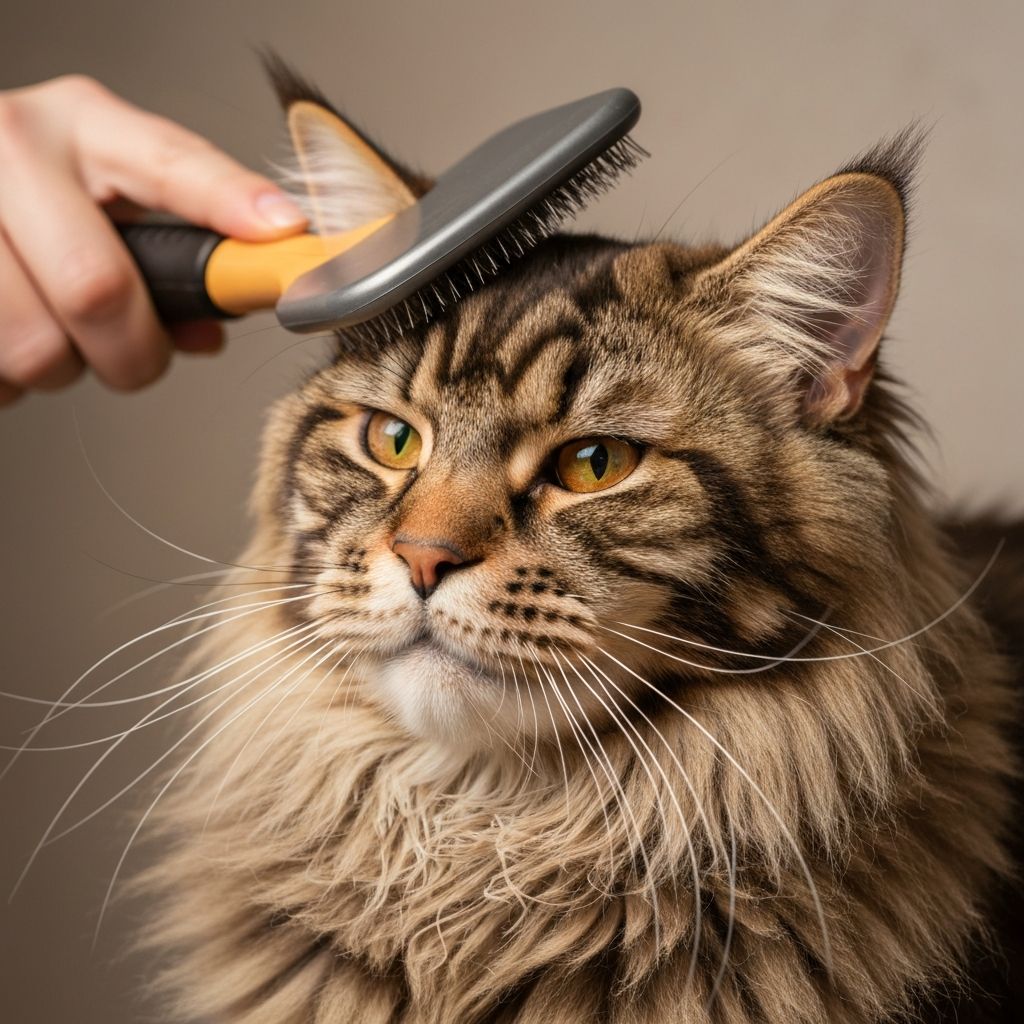
Indoor cats shed constantly due to artificial indoor lighting and temperature control. When they groom themselves, they swallow loose hair, which often leads to uncomfortable and potentially dangerous hairballs. Daily brushing is the single most effective way to intercept this fur before your cat swallows it. Use a slicker brush or a rubber grooming mitt once a day to remove the dead undercoat, especially during spring and autumn when shedding peaks.
2. Mastering the Claw Trim
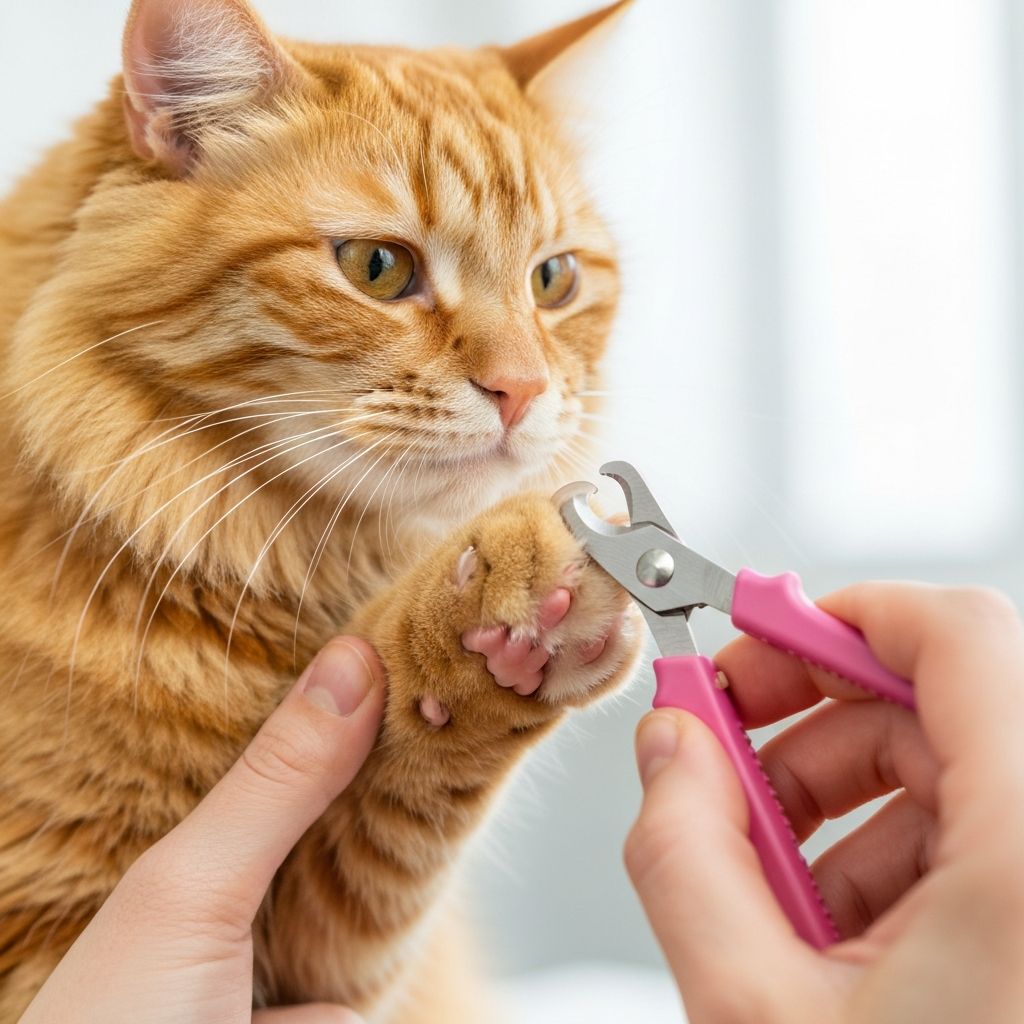
Outdoor cats naturally file down their claws on trees and rough ground, but indoor cats do not have this luxury. If left untrimmed, their claws can grow too long, curve inward, and pierce their paw pads, causing severe pain. Aim to trim your cat's claws every two to three weeks. Use specialized pet nail clippers and gently press the paw pad to extend the claw. Be extremely careful to snip only the sharp, clear tip, avoiding the pink area inside the nail (the quick), which contains sensitive blood vessels.
3. Dental Care Matters
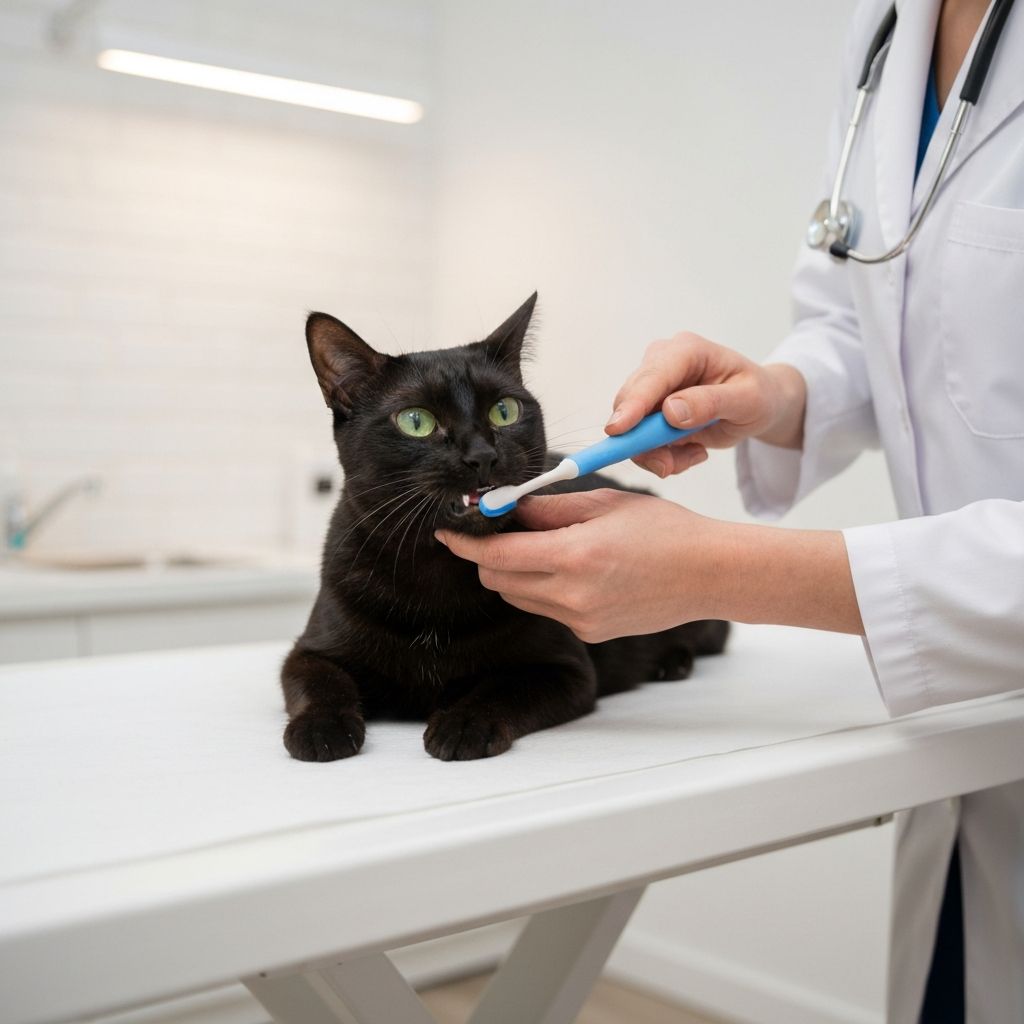
Just like humans, cats accumulate plaque and tartar on their teeth, which can lead to periodontal disease and bad breath. Indoor cats eating soft food or standard kibble need proactive dental care. Introduce a cat-specific toothbrush and poultry-flavored toothpaste gradually. Start by letting your cat lick the toothpaste, then gently rub it on their teeth with your finger before moving to the brush. Aim for at least three brushings per week.
4. Ear and Eye Cleaning
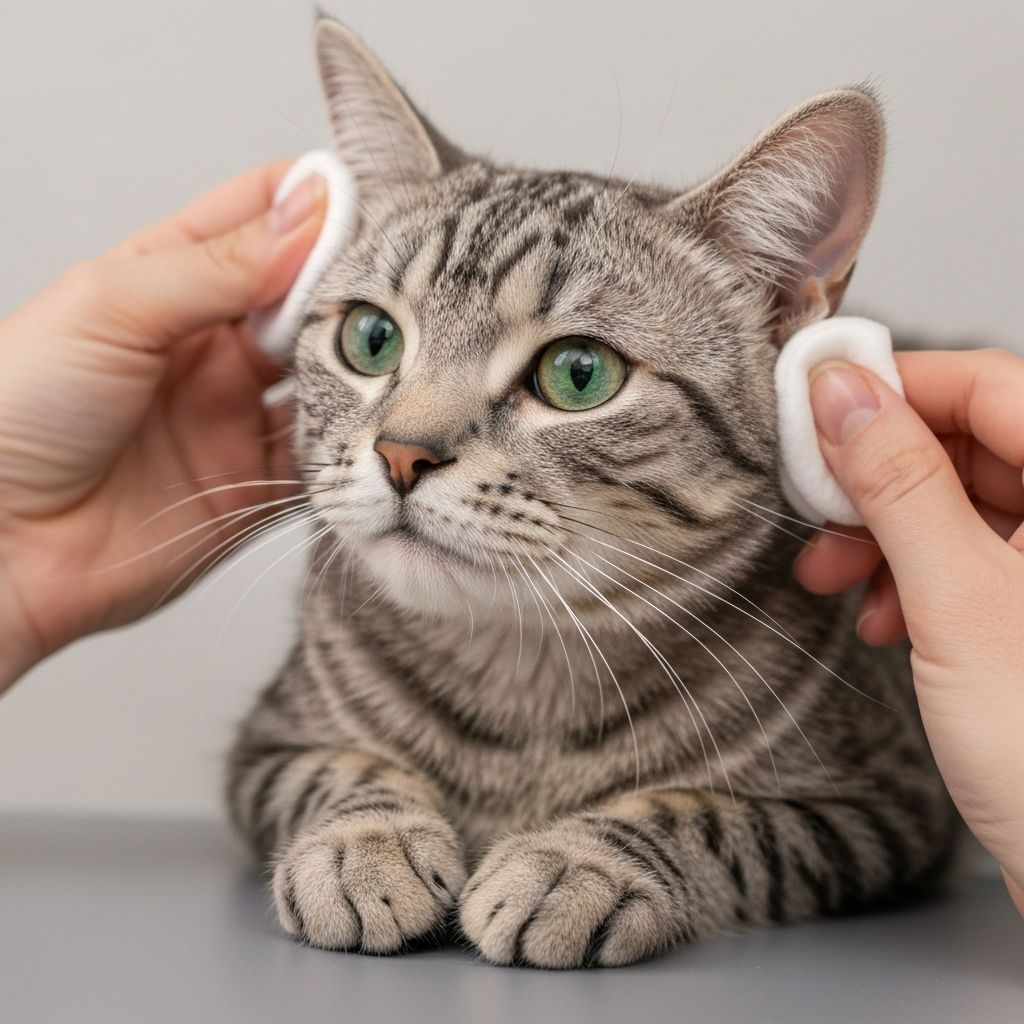
Indoor cats are less likely to get debris in their ears, but they can still develop wax buildup or ear mites. Check your cat's ears weekly for any dark discharge, redness, or foul odor. Use a vet-approved ear cleaner and a cotton ball to gently wipe the outer ear—never insert anything into the ear canal. Similarly, some cats develop tear stains or crusty buildup around their eyes. A damp, soft cloth can be used to gently clean around the eyes daily.
5. Bathing: Only When Necessary
Most cats are excellent at keeping themselves clean and rarely need a bath. However, if your cat gets into something sticky, greasy, or smelly, a bath may be required. Use lukewarm water and a cat-specific shampoo. Keep the experience calm by speaking softly and rewarding your cat with treats afterward. Never use human shampoo, as it can irritate your cat's skin.
6. Creating a Grooming Routine
The key to successful grooming is consistency and patience. Start grooming sessions when your cat is relaxed—after a meal or play session is ideal. Keep sessions short at first (5-10 minutes) and gradually increase the duration as your cat becomes more comfortable. Always end on a positive note with treats and praise.
Final Thoughts
Regular grooming is essential for your indoor cat's health and well-being. By establishing a consistent routine that includes brushing, claw trimming, dental care, and ear cleaning, you can prevent health issues and strengthen the bond with your feline companion.
Tip: If your cat is resistant to grooming, consult a professional groomer or your veterinarian for advice on desensitization techniques.
Written by My Indoor Cat Tips
Dedicated to helping cat parents create happy, enriched lives for their indoor felines.