Why Indoor Cats Need Special Nutrition: A Complete Guide
Indoor cats have unique dietary needs different from outdoor cats. Learn why nutrition matters and how to optimize your indoor cat's diet for a longer, healthier life.
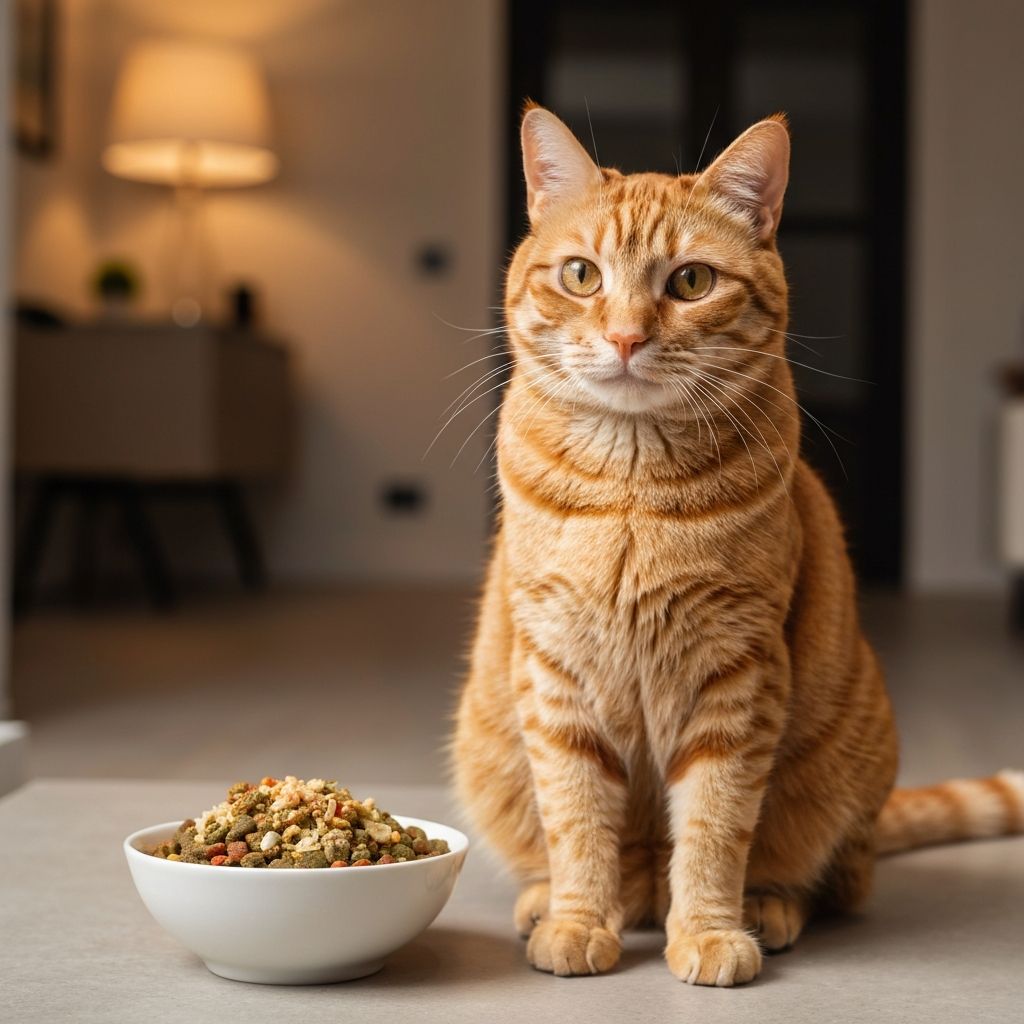
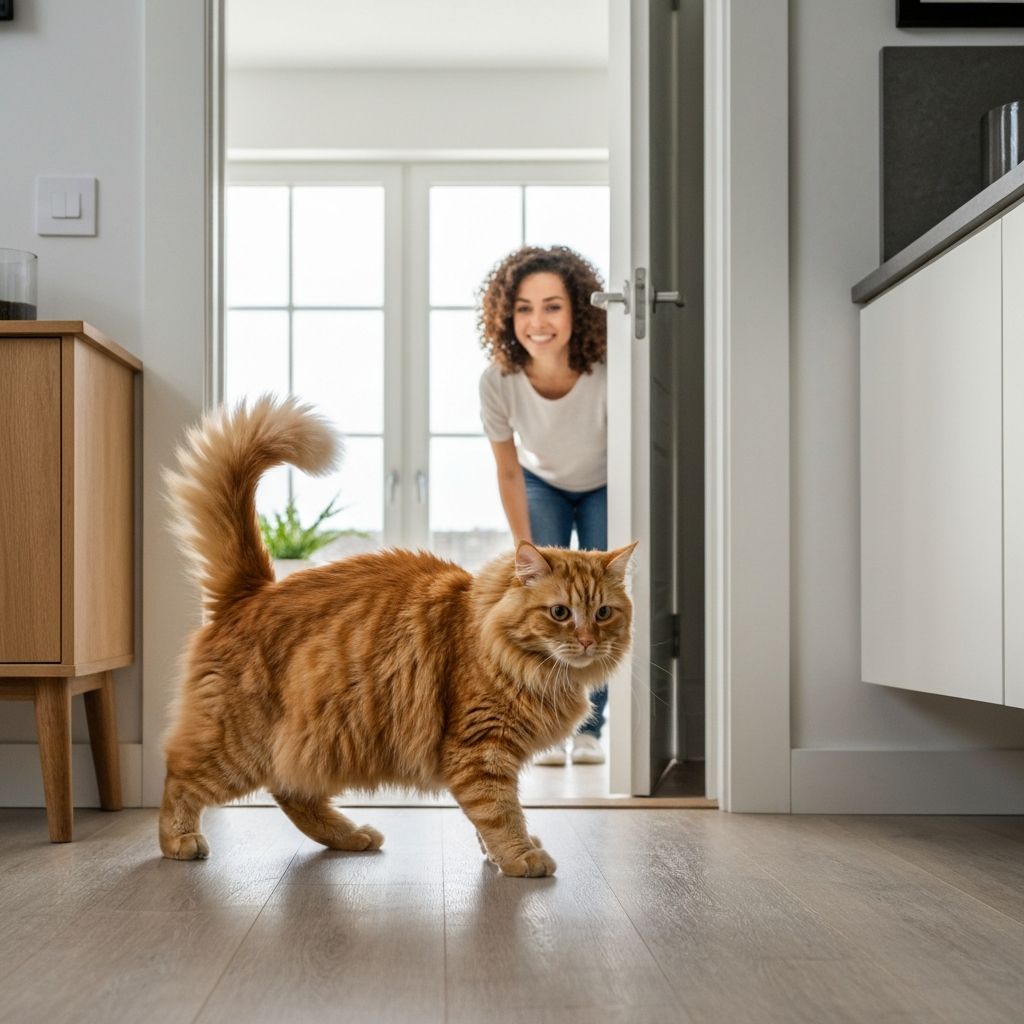
Your indoor cat lives a very different life from their outdoor counterparts. Without the physical demands of hunting, territory patrol, and environmental challenges, indoor cats require specialized nutrition to stay healthy and avoid common problems like obesity, urinary issues, and boredom-related eating.
How Indoor Cat Needs Differ
1. Lower Calorie Requirements
Indoor cats are typically 30-40% less active than outdoor cats. This means they need fewer calories to maintain a healthy weight. Overfeeding is the number one cause of obesity in indoor cats, which leads to diabetes, joint problems, and shortened lifespan.
2. Higher Fiber Needs
Without access to grass and plants, indoor cats often lack fiber in their diet. This can lead to hairball problems and digestive issues. Adding safe vegetables like pumpkin to their diet helps maintain digestive health.
3. Increased Hydration Importance
Indoor cats may drink less water than outdoor cats who find natural water sources. Wet food or moisture-rich homemade meals help prevent urinary tract issues and kidney problems.
4. Mental Stimulation Through Food
Without the mental challenge of hunting, indoor cats benefit from puzzle feeders and varied meal textures. Homemade food with different proteins keeps mealtimes interesting.
The Benefits of Homemade Food for Indoor Cats
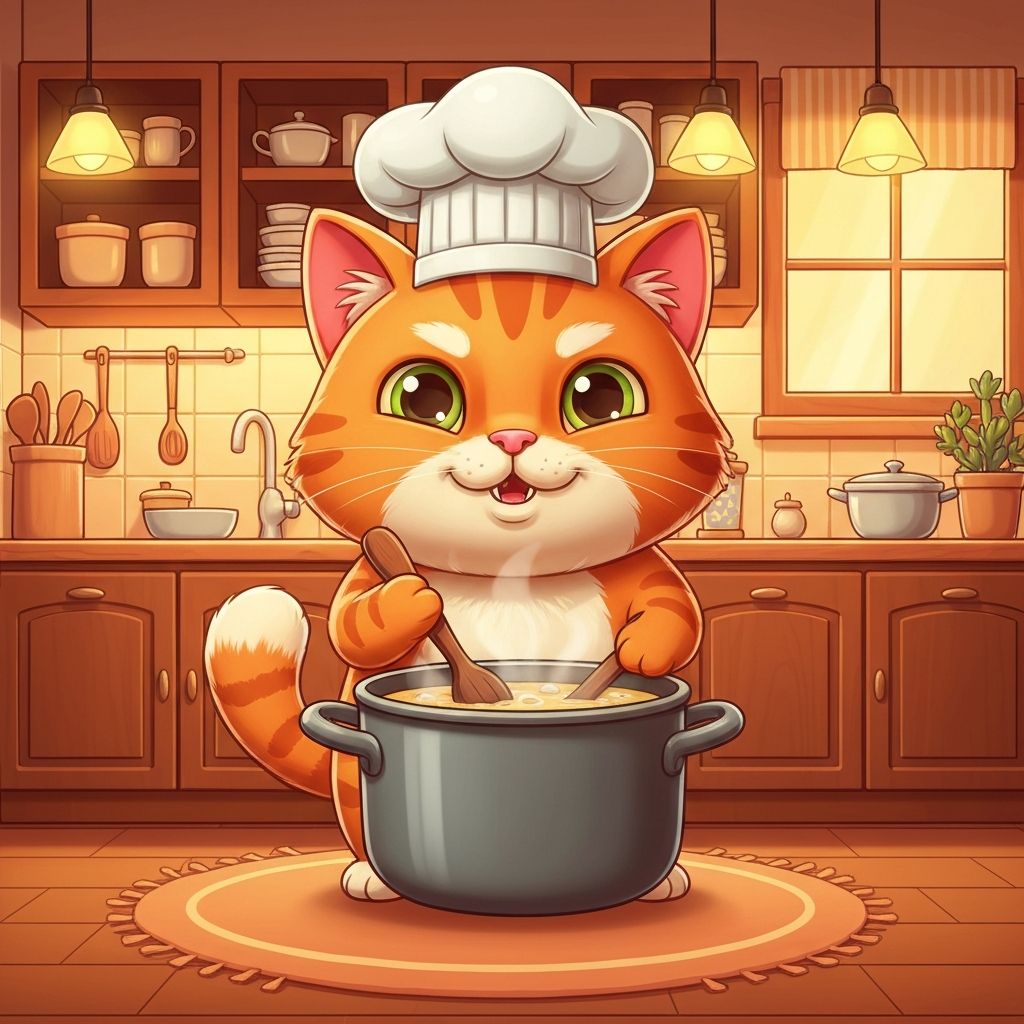
Controlled Portions
When you make your cat's food, you control exactly how many calories they consume. No more guessing about serving sizes or mysterious "feeding guidelines."
High Moisture Content
Homemade cat food typically contains 70-80% moisture, compared to just 10% in dry kibble. This helps keep your indoor cat hydrated and supports kidney health.
Fresh, Whole Ingredients
Fresh chicken, fish, and vegetables provide bioavailable nutrients that are easier for your cat to absorb than heavily processed commercial foods.
No Artificial Additives
Homemade food contains no artificial colors, flavors, or preservatives that can cause sensitivities in some cats.
Sample Meal Plan for Indoor Cats
Here's what a day of homemade feeding might look like:
Morning: Chicken & Pumpkin Recipe (from our cookbook)
Evening: Salmon & Spinach Bowl (from our cookbook)
Treats: Small pieces of cooked chicken or freeze-dried fish
Get 100 Recipes Designed for Indoor Cats
Our e-book "100 Healthy Homemade Cat Food Recipes" was created specifically with indoor cats in mind. Every recipe is:
- Portion-controlled for indoor cat activity levels
- High in moisture for urinary health
- Balanced for complete nutrition
- Varied to prevent food boredom
- Vet-approved and tested
Written by Kristina Baleva
Dedicated to helping cat parents create happy, enriched lives for their indoor felines.